The brooder only needs to do a few things well, but it really does need to do them well
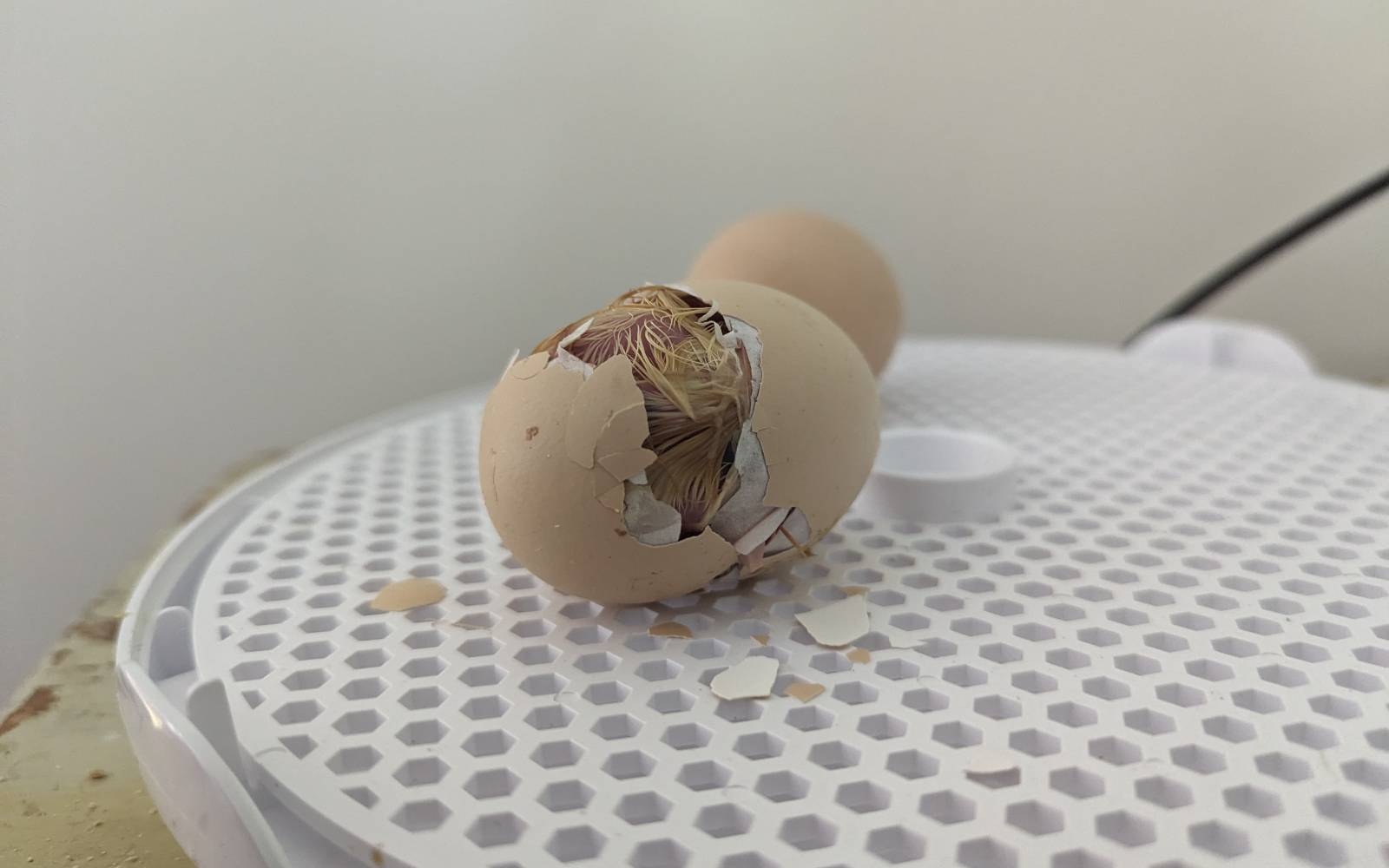
New keepers sometimes overcomplicate chick raising because the birds are small and endearing enough to make every decision feel delicate. In reality, the brooder needs to be safe, warm, clean, dry enough, and easy to manage. That is the core of it.
A stock tank, brooder box, or secure pen can all work if chicks can move toward warmth or away from it, find feed and water easily, and avoid getting chilled by drafts or soaked by poor setup design.
Temperature matters, but chick behavior tells the truth
A common rule of thumb is roughly 95 degrees Fahrenheit in the warm zone for the first week, then dropping around 5 degrees each week as the chicks feather out. That is useful guidance, but the chicks themselves are still the best indicator of whether the setup is right.
- If chicks pile tightly under the heat source, they are too cold.
- If they avoid the warm zone and pant, they are too hot.
- If they spread out, rest, eat, and move in a calm ordinary way, the temperature is probably close enough.
That kind of observation matters because every room, container, and heat source behaves a little differently.
Starter feed and clean water do most of the nutritional work early
Young chicks should have chick starter available and water they can reach easily without soaking themselves or tipping the whole arrangement into a mess. Chicks foul water faster than people expect, so cleaning and refreshing it is part of the real routine from day one.
A good brooder often succeeds not because it is fancy, but because the keeper keeps correcting little things before they become problems: damp corners, spilled feed, caked droppings, low traction, crowding around the warm spot.
Give them more room before they start pleading for it with their behavior
Chicks outgrow tidy little brooders quickly. Once they begin crowding the feeder, coating everything in droppings by mid-day, stepping on each other near heat, or generally seeming compressed by the setup, it is time to expand or split the group. Waiting too long turns the brooder into a stress generator.
A roomy brooder is easier to keep clean and easier on the birds. It also makes it easier for the keeper to tell who is thriving and who is being pushed around.
The small details matter more than people think
- Good footing reduces preventable leg trouble.
- A clean waterer matters more than decorative brooder features.
- Draft protection matters, but sealed stale air is not the goal.
- Chicks need enough access to feed that slower birds are not constantly bullied away.
- Frequent small cleanups beat dramatic late cleanups.
Chick raising is often decided by attention to these small ordinary factors.
The real project is not only keeping chicks alive. It is raising future flock members well
Eventually the brooder stage ends and the question becomes whether those chicks are ready to become part of the larger flock. That transition is where some people get sloppy. Young birds need enough feathering, size, confidence, and space that adults do not simply crush their place in the social order before they begin.
A good chick setup does not stop at warmth and feed. It prepares birds to become stable adults. In that sense, raising chicks successfully is less about the box they start in and more about the flock they are headed toward.