Why I Still Keep Hens After They Stop Laying
A practical and humane look at what old hens still contribute to a working flock.
This section of CoopSage is where I will try to keep you updated with news, current happenings around the coop, and insights I realize are important to share as I continue my journey of keeping backyard chickens. I look forward to sharing my knowlegde with you through these informative (hopefully) posts. Stay tuned to keep up with my flock!
These are some of my first posts. As I came to realize what beginner bird keepers were asking, I made posts about the most common important topics.
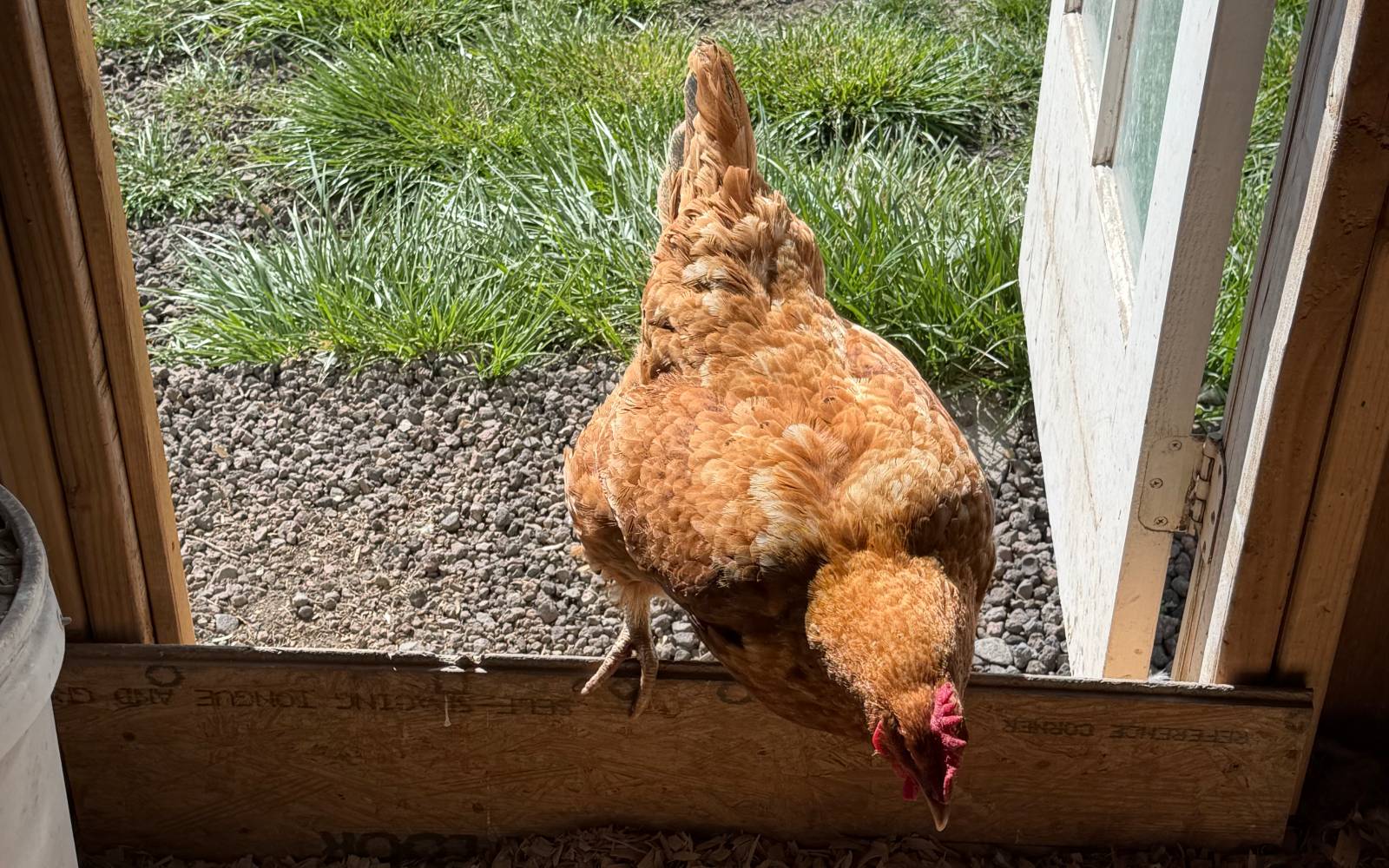
A practical and humane look at what old hens still contribute to a working flock.
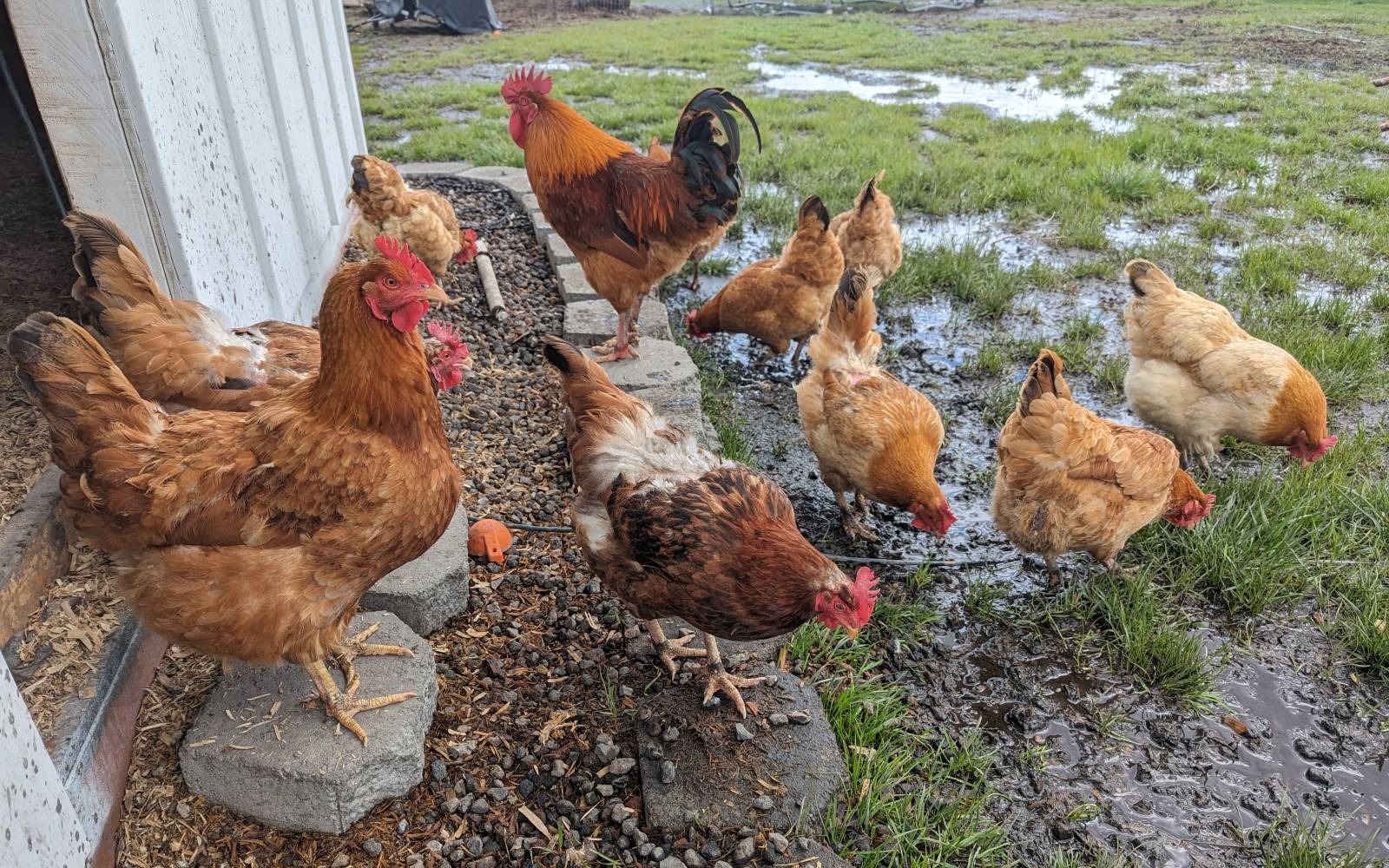
Not every rooster earns his keep. The good ones change how a flock moves and settles.
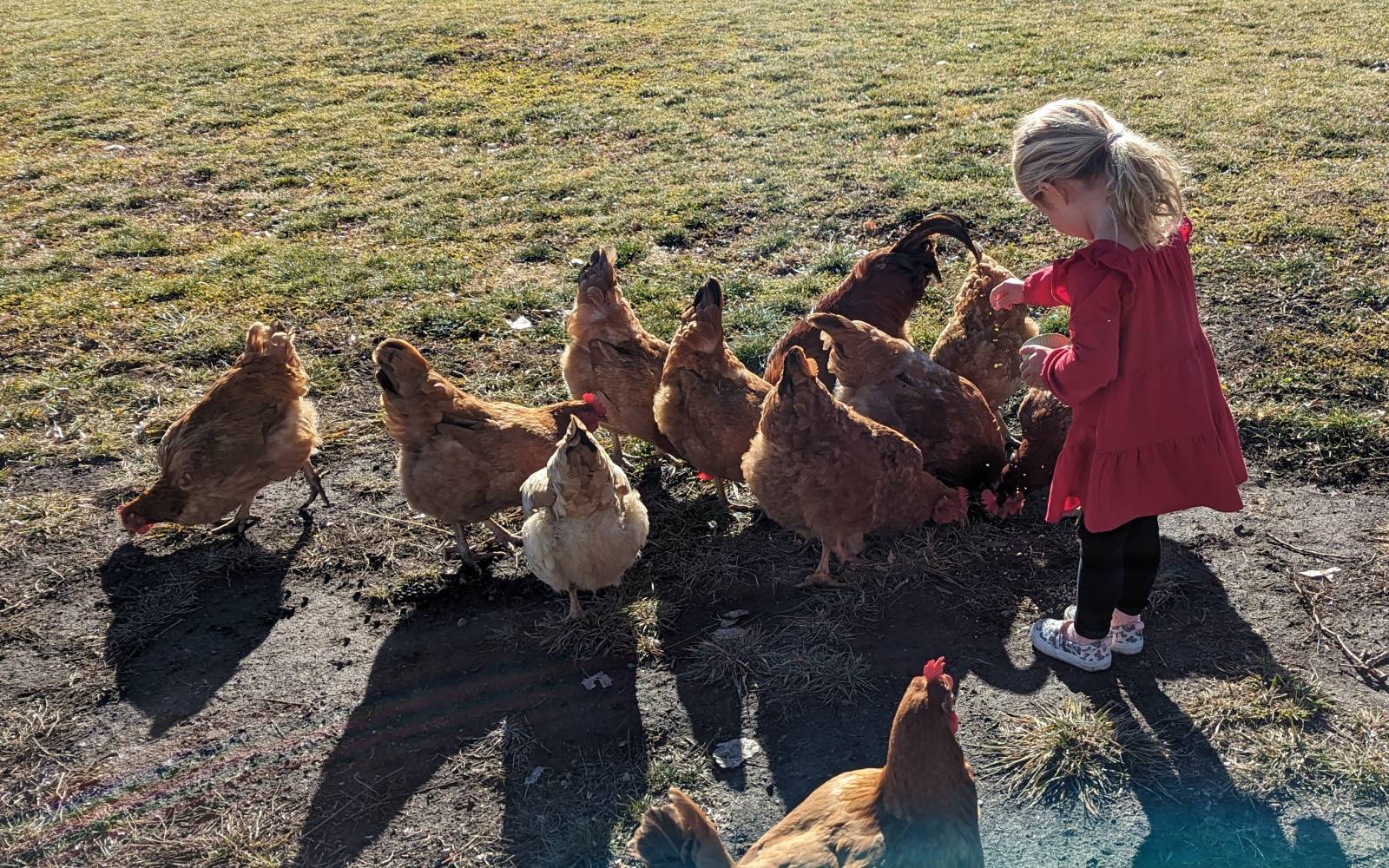
Where scraps help, where they don’t, and how to keep treats from becoming the whole menu.
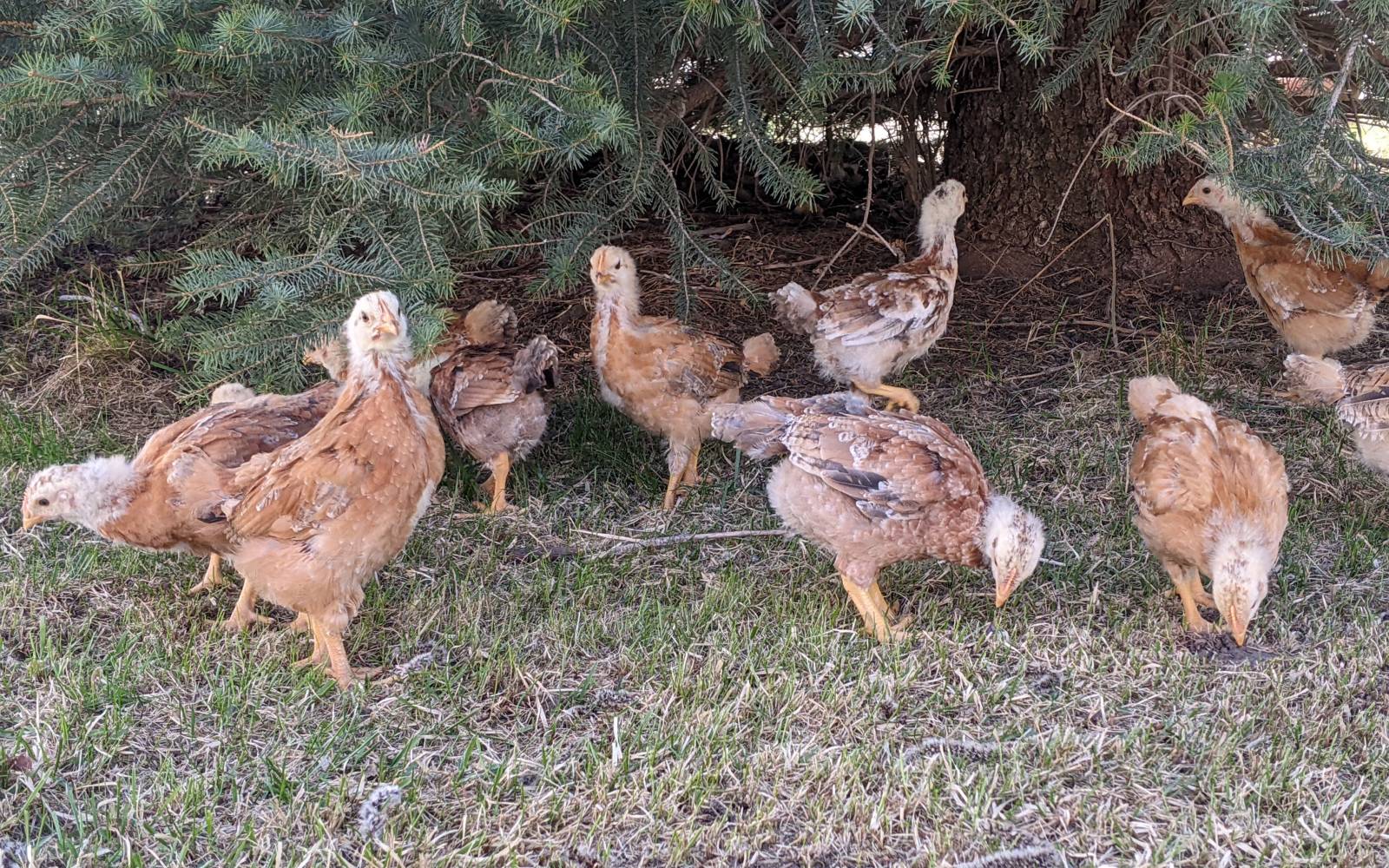
The shift from a starter flock to a yard that revolves around birds, eggs, feed, and routine.
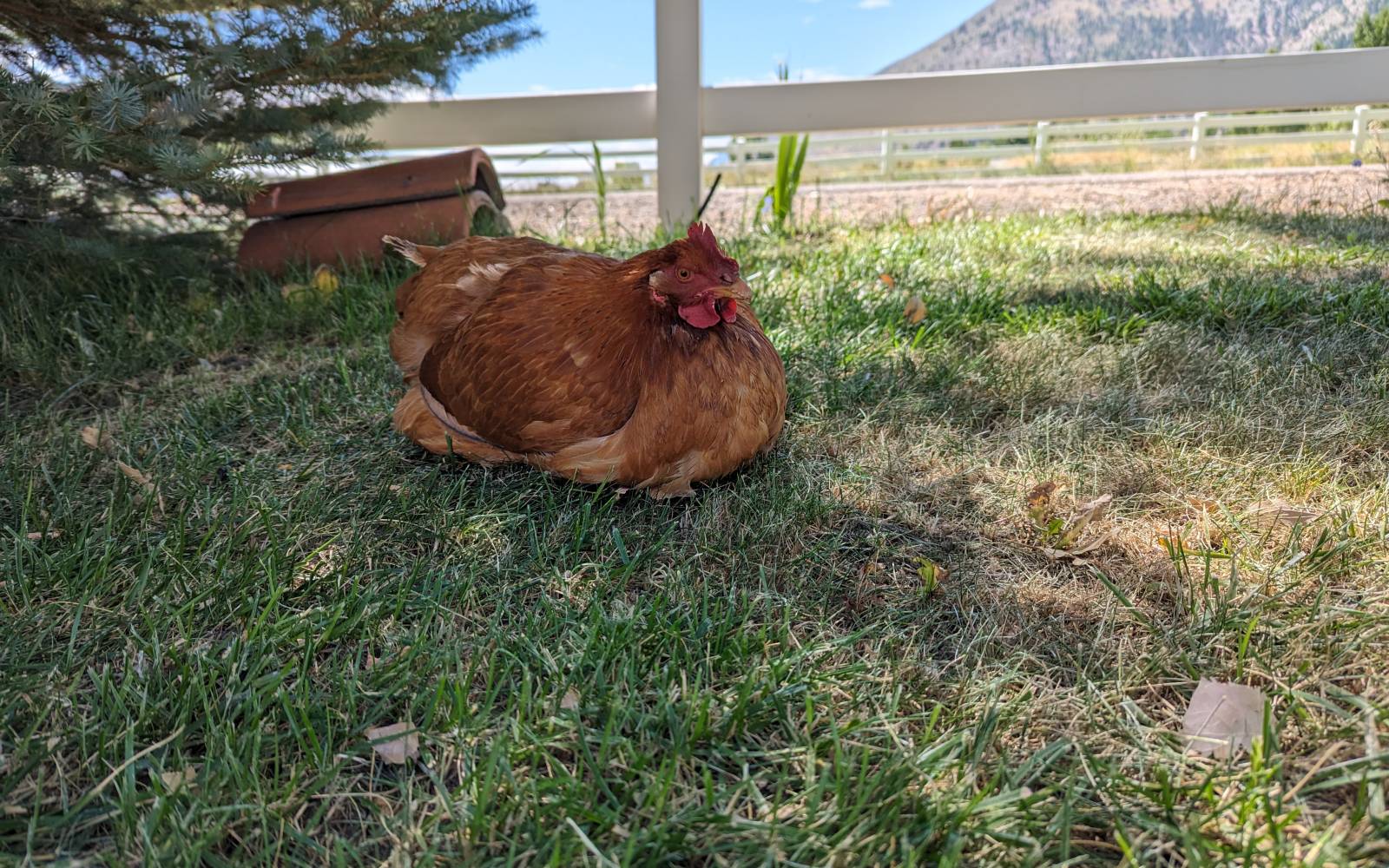
Not every bird gets a name. The memorable ones force the issue.
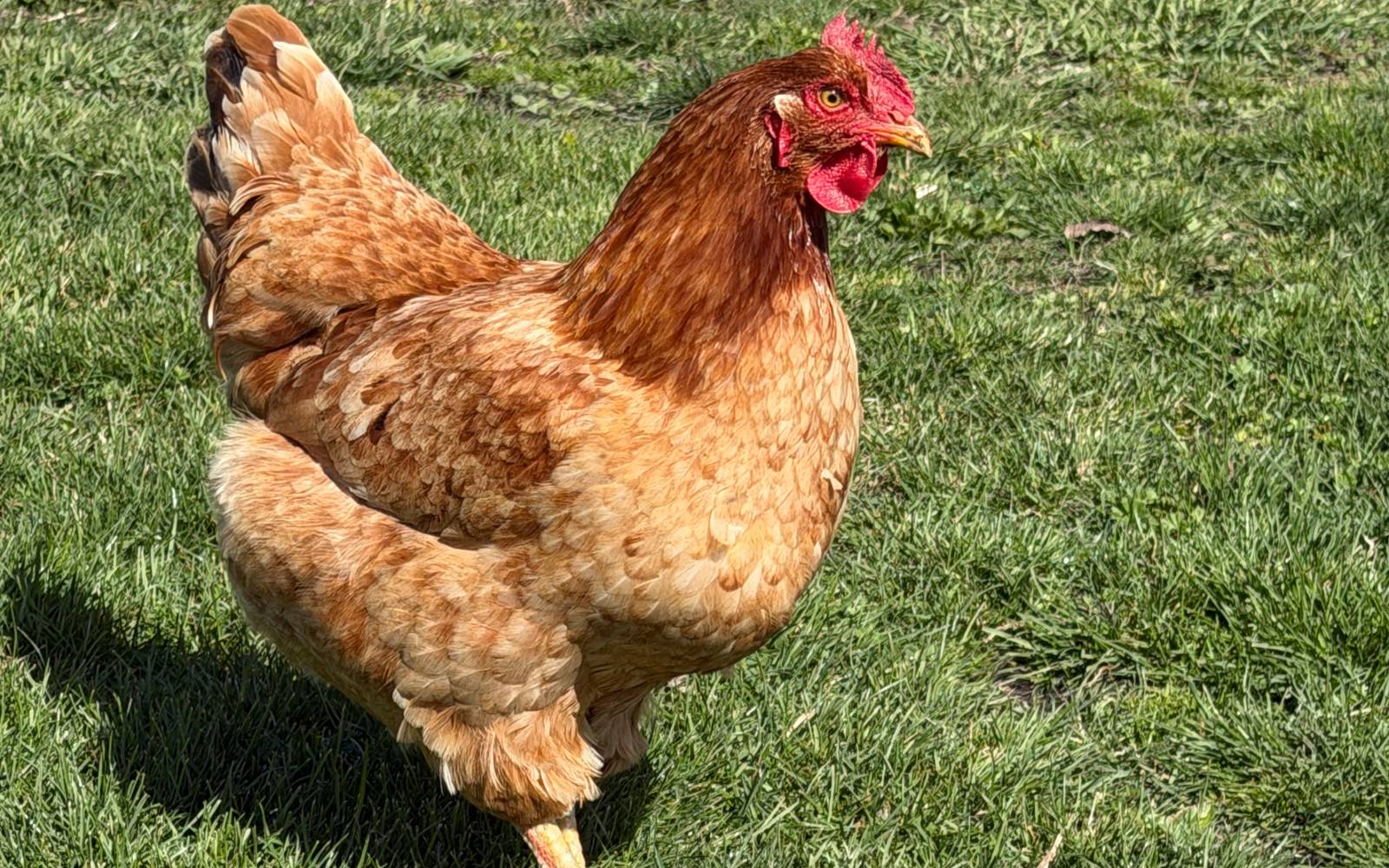
Why I like free ranging, where I draw the line, and when it simply is not worth the risk.
Fifteen long-form notes on flock life, management choices, useful birds, and the parts of chicken keeping that do not really become clear until the novelty has worn off.
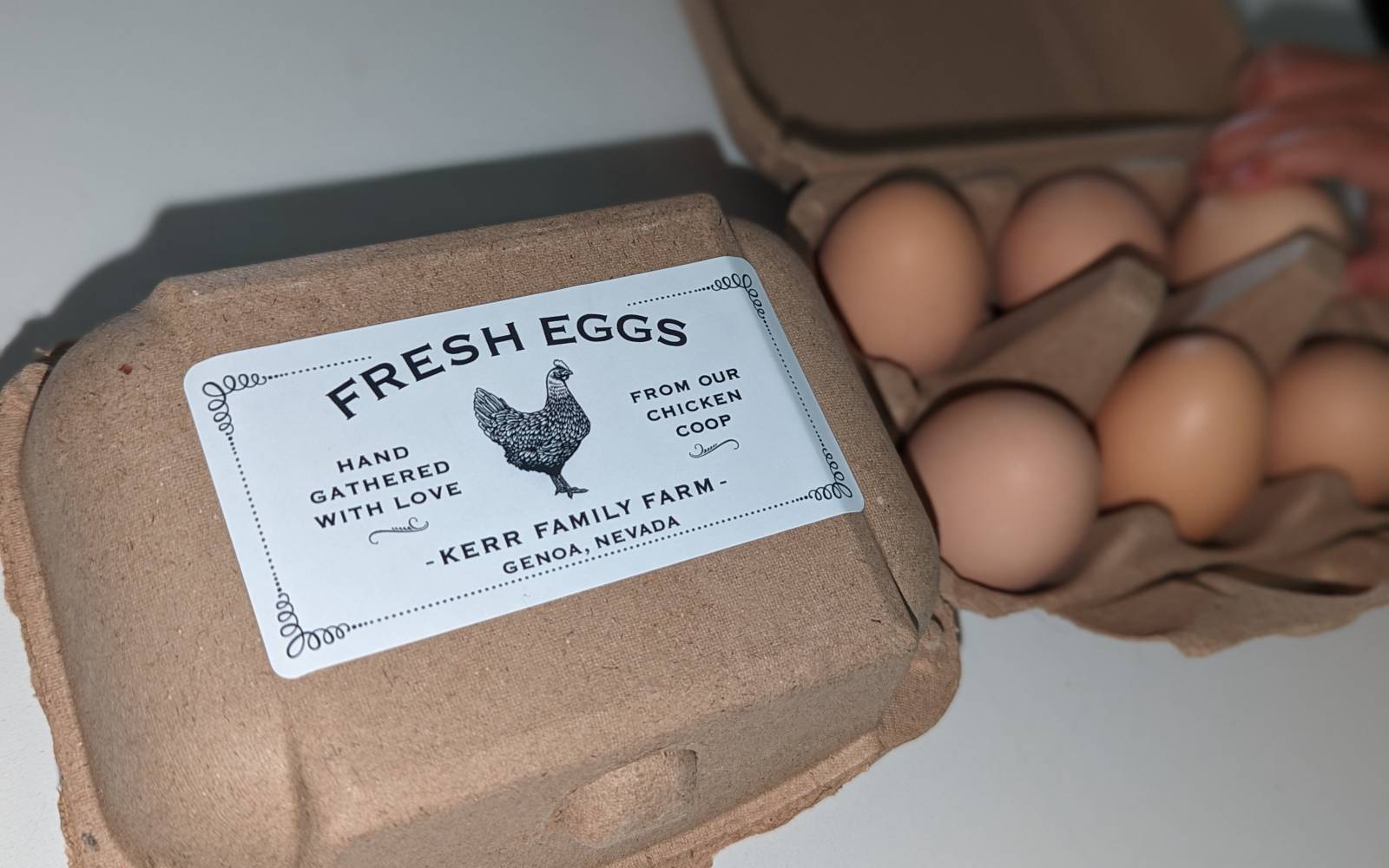
What changes when the flock is not just feeding the house anymore.
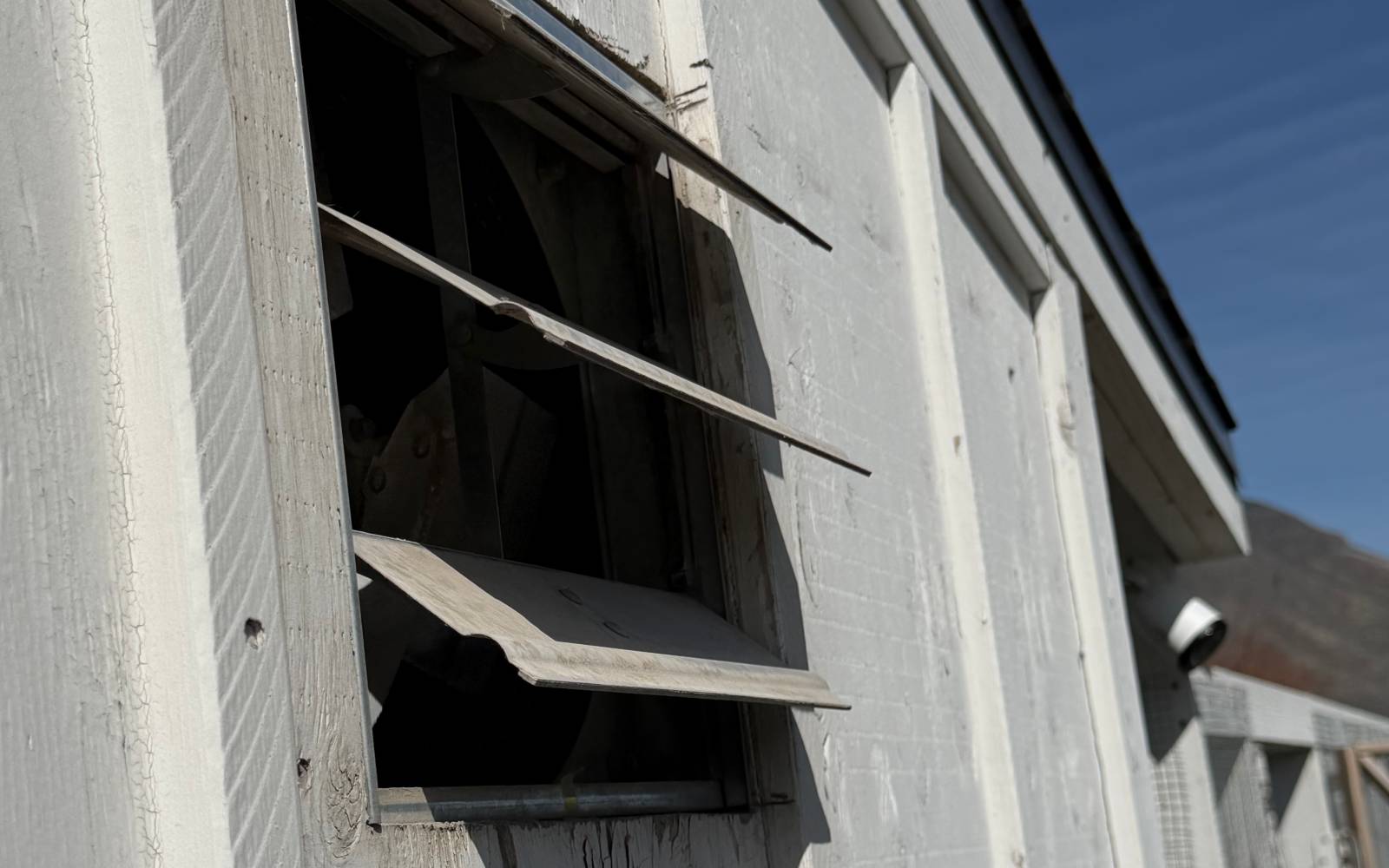
Wind affects feed, dust, stress, roosting habits, and how birds use shelter more than people think.
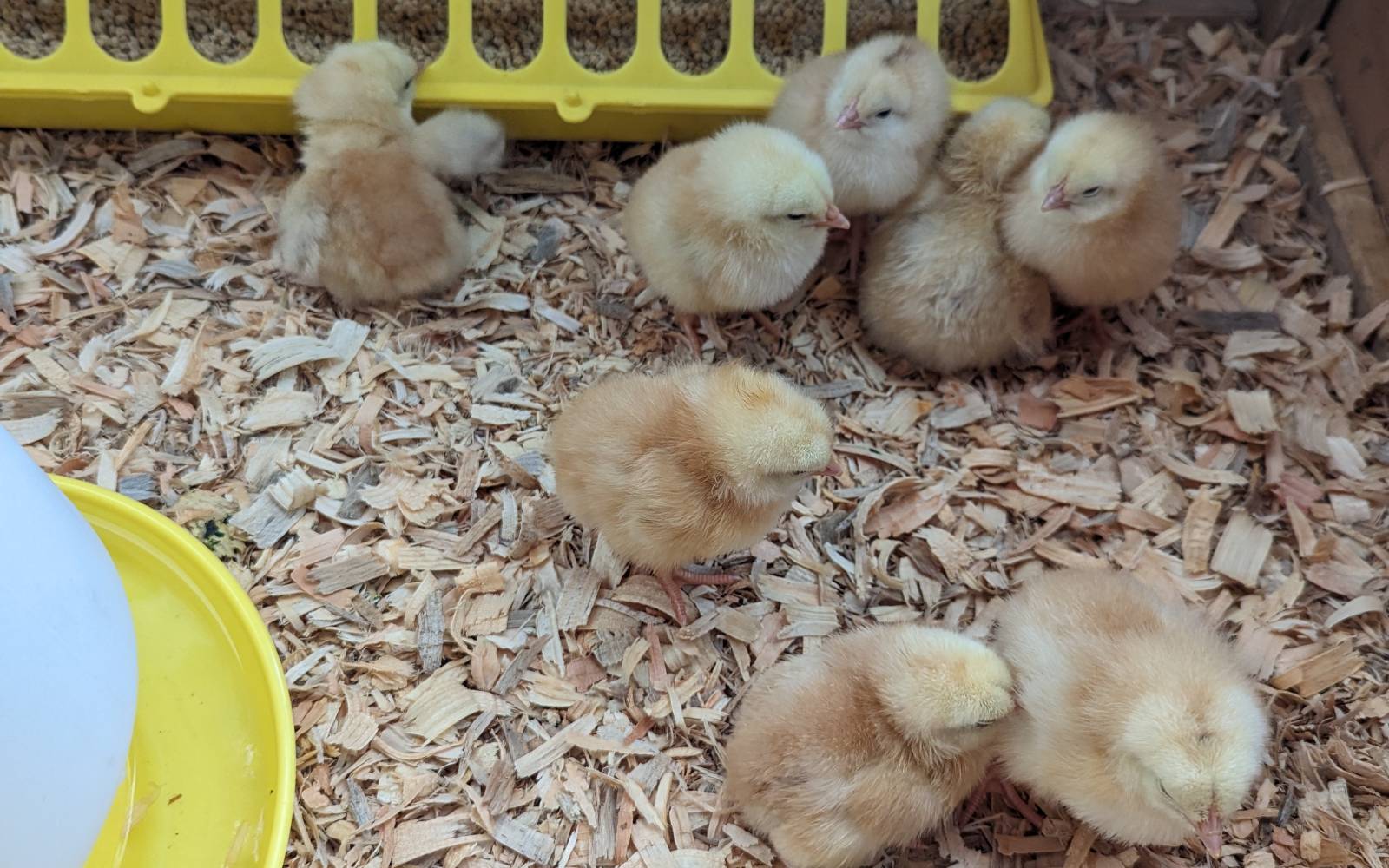
There is no magic trick, but there are ways to make introductions less ugly.
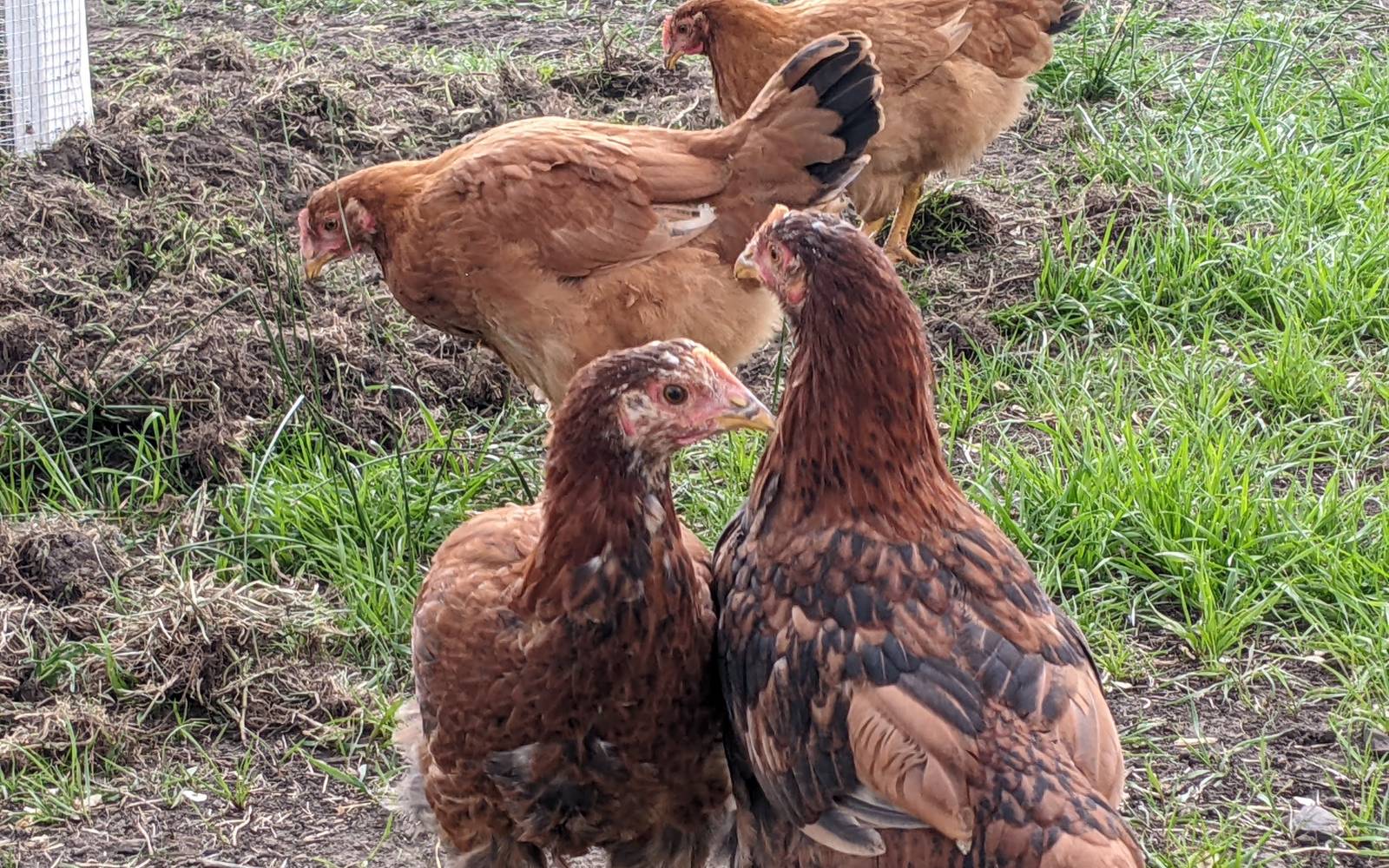
After keeping a mixed flock long enough, your standards change.
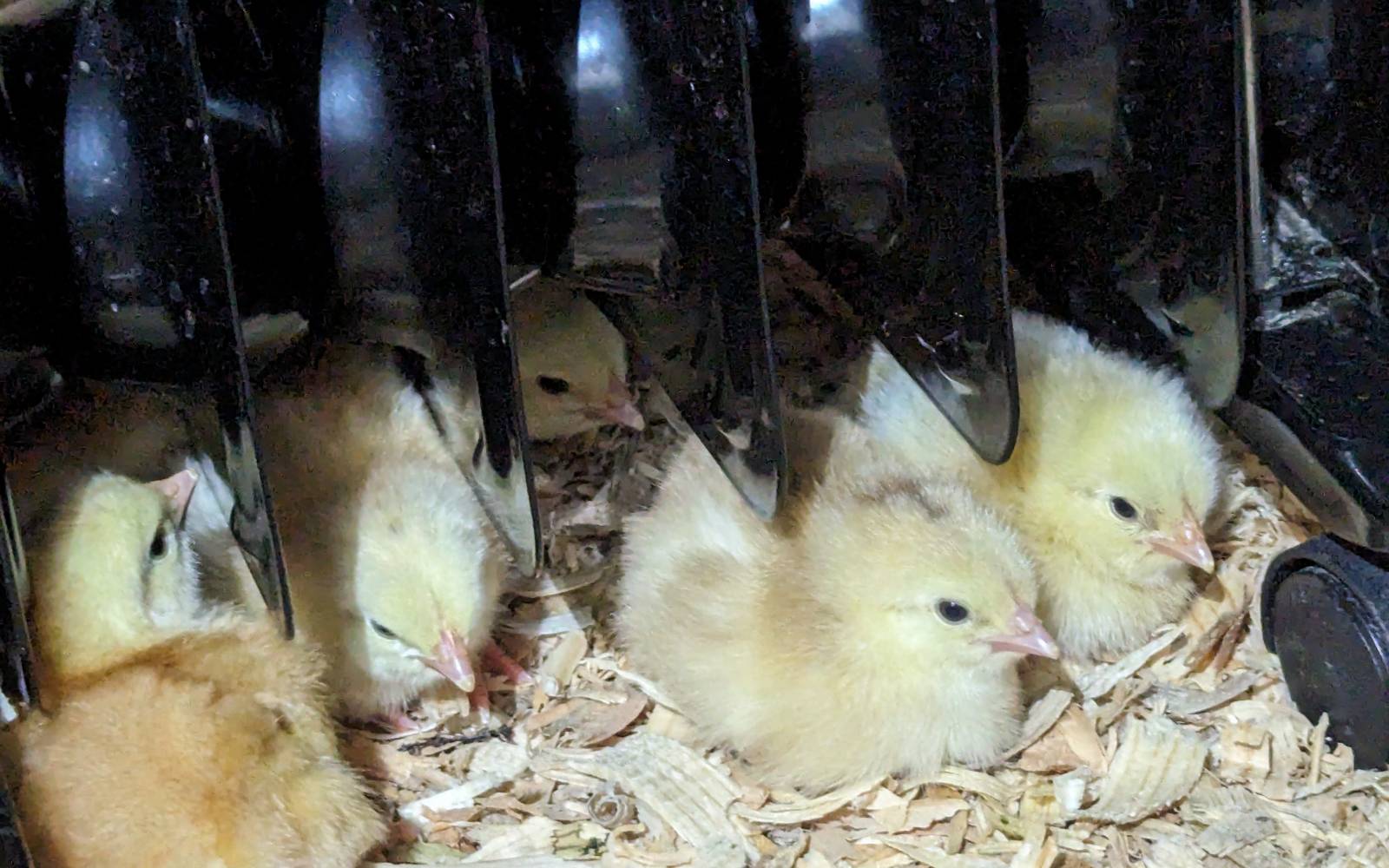
The quiet checks that make cold weather easier on both the birds and the keeper.
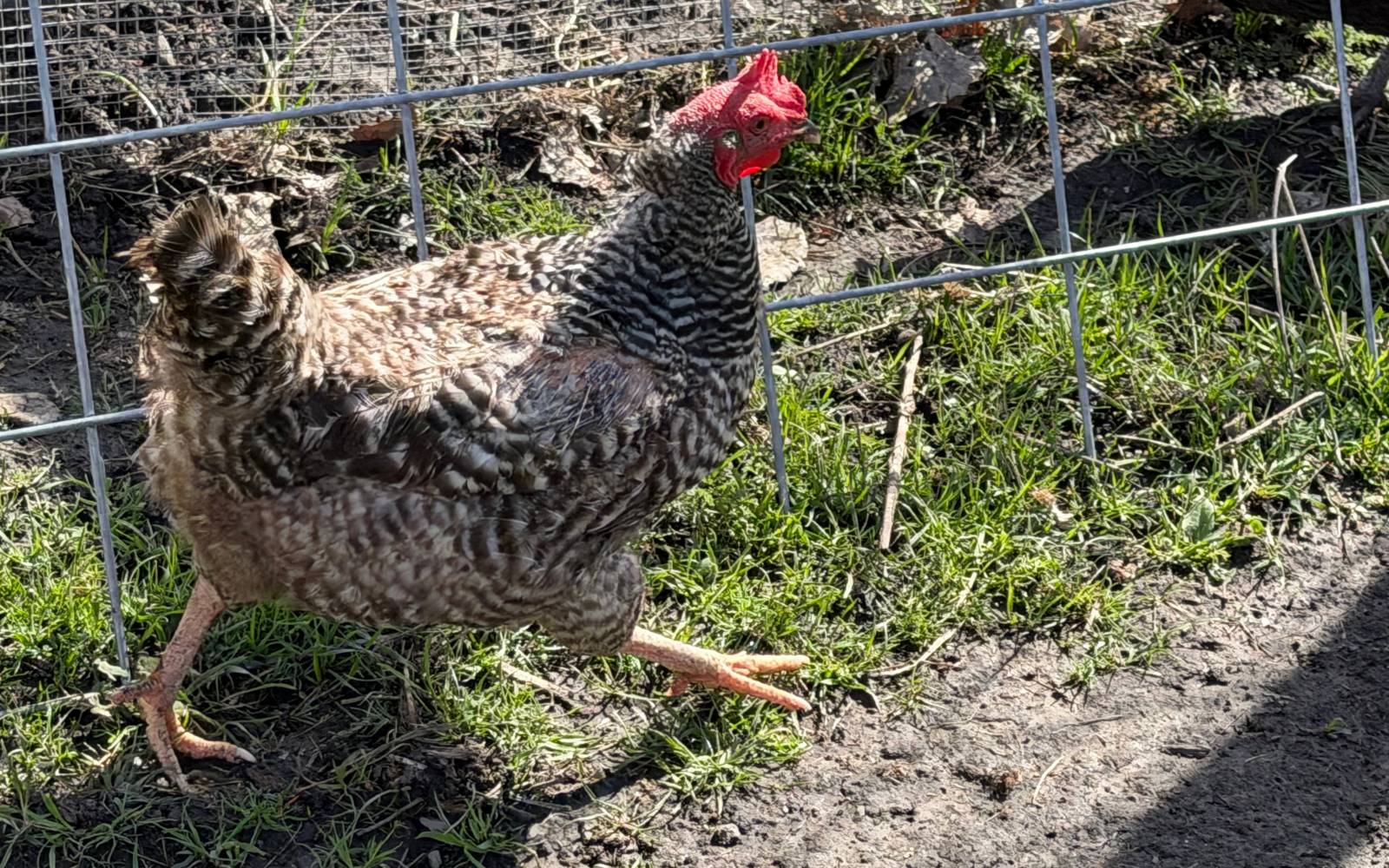
Molt can look rough, but there are a few things that tell me whether the flock is moving through it well.
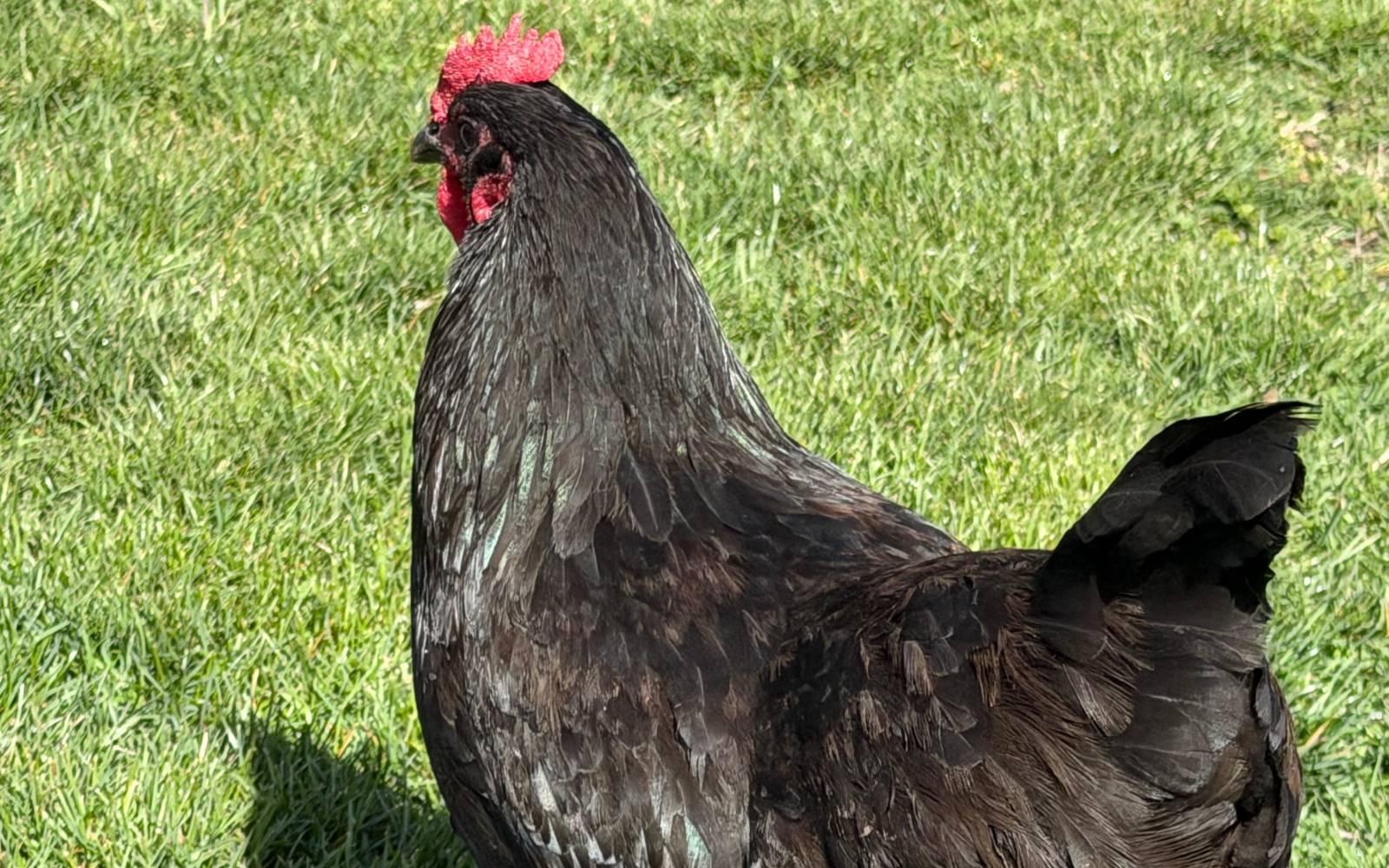
I do not mind a handsome flock. I just do not build one around looks alone anymore.
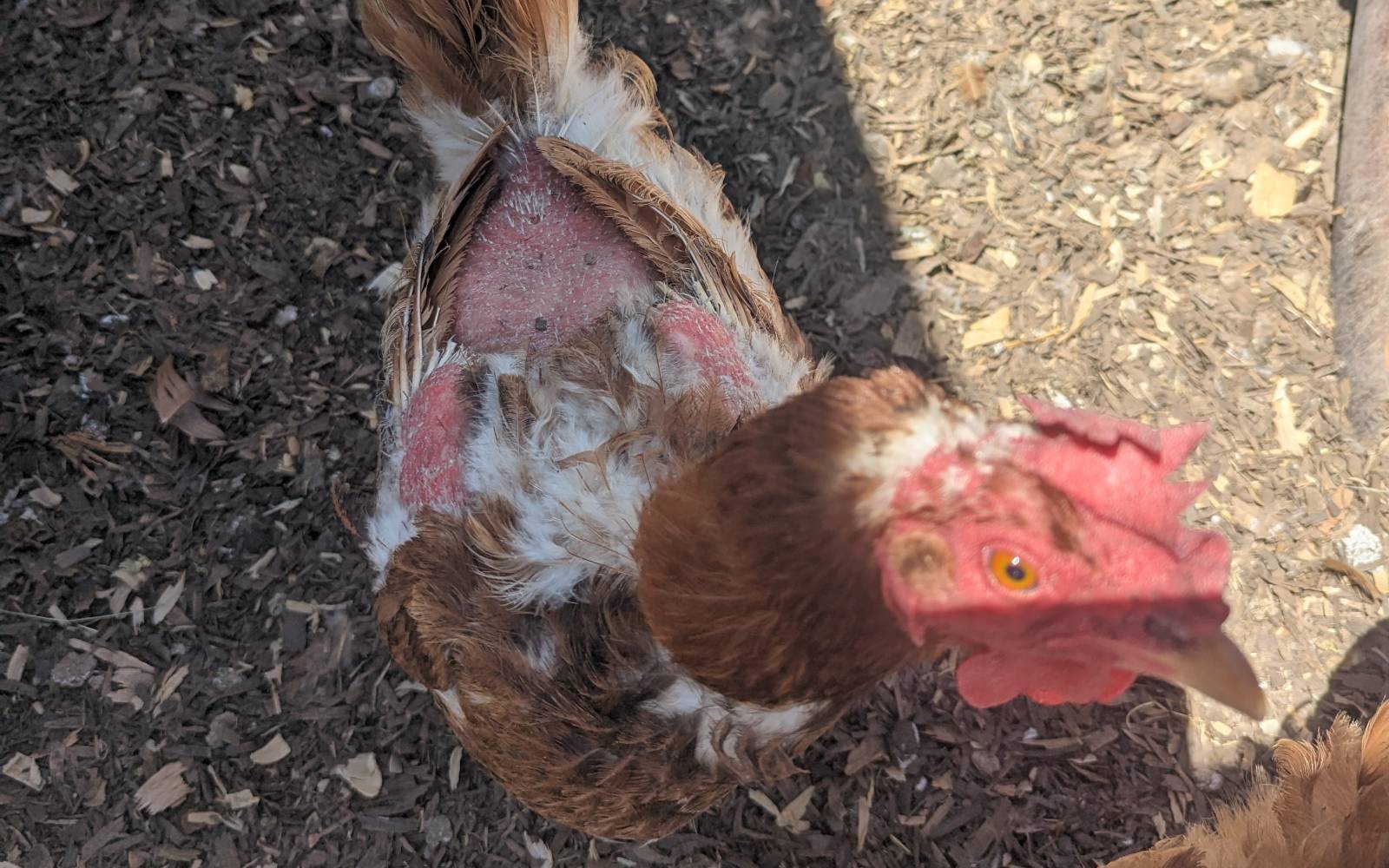
By the time one bird looks sick, the flock often hinted at it already.
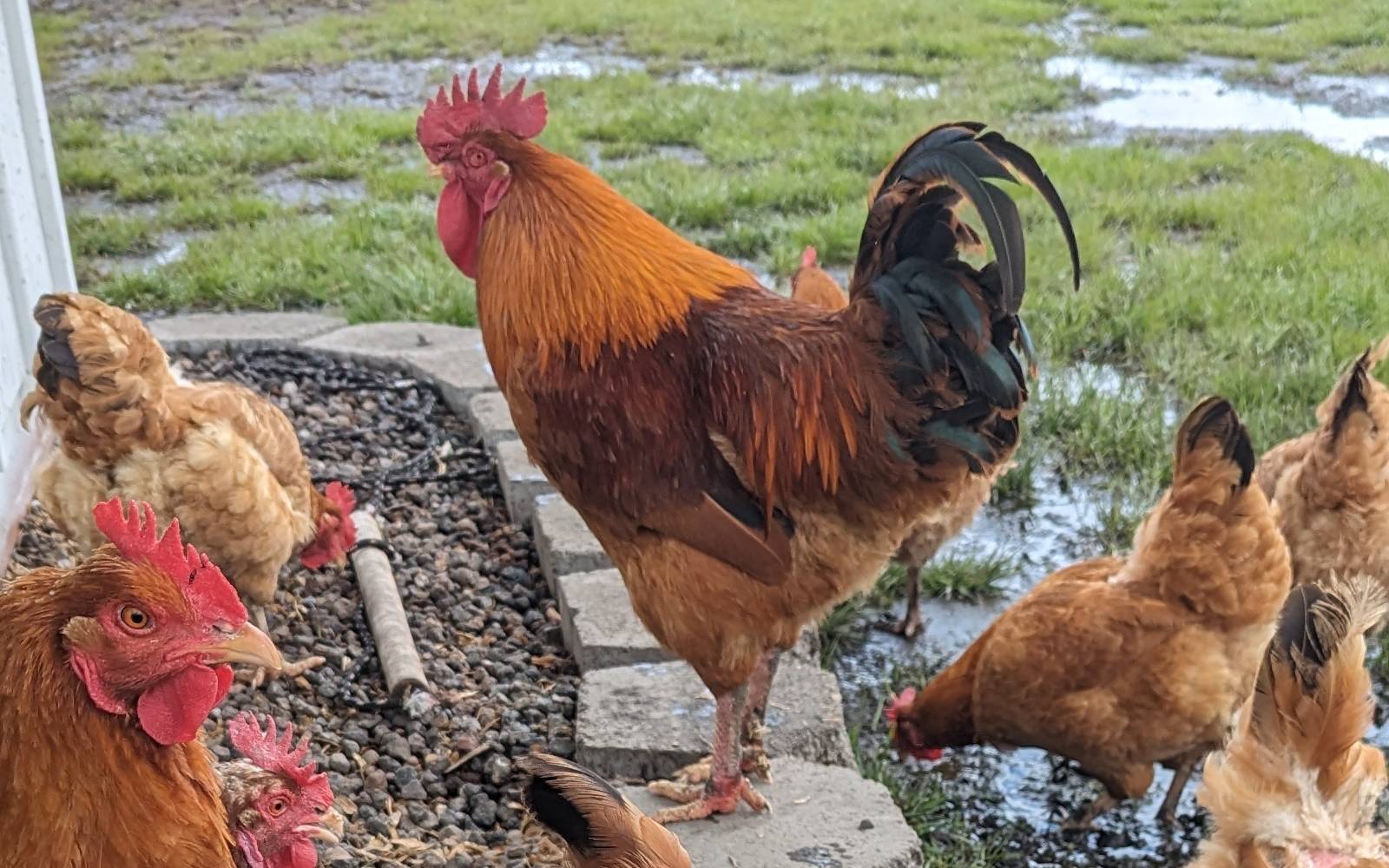
Some roosters leave behind noise. A few leave behind respect.