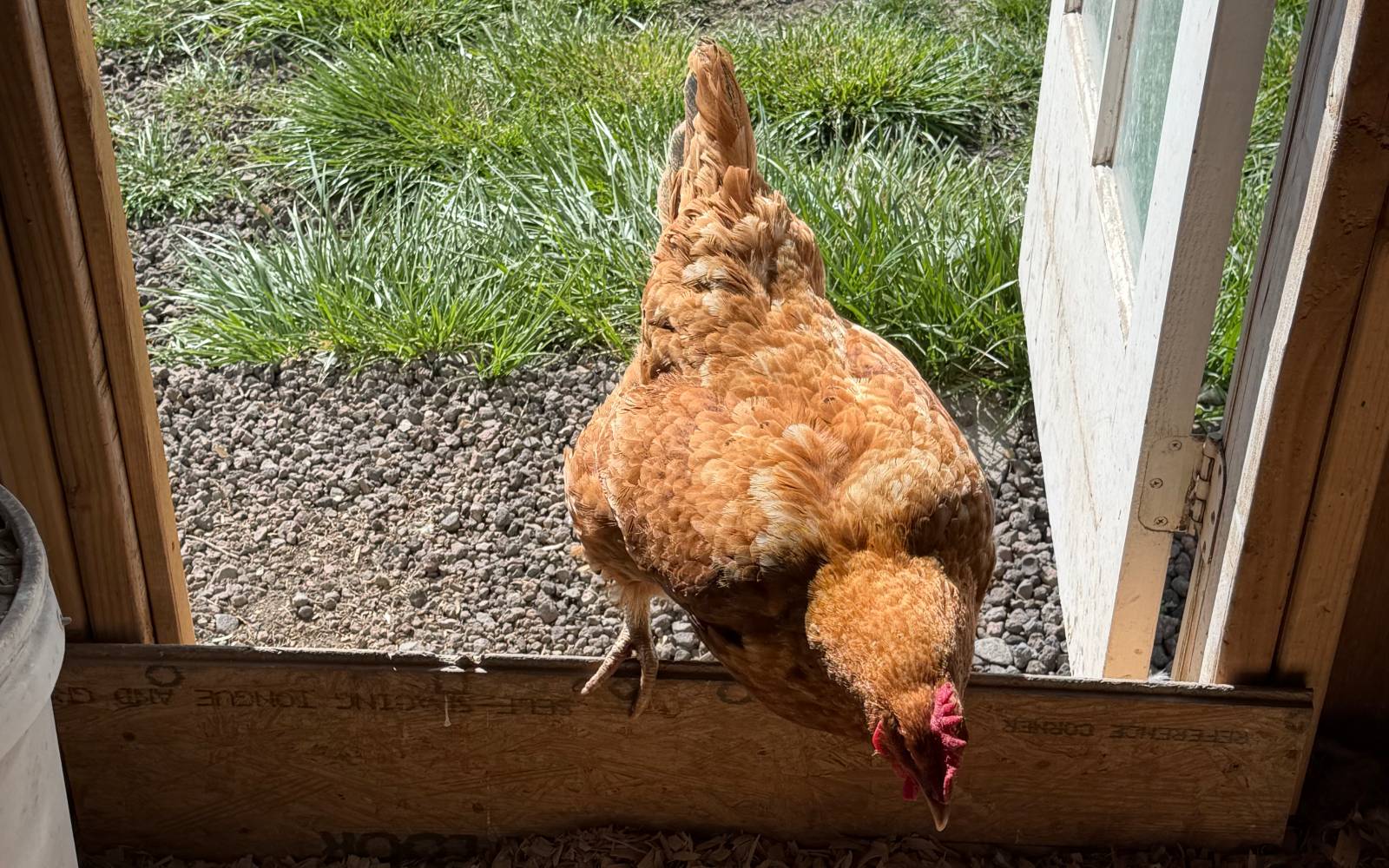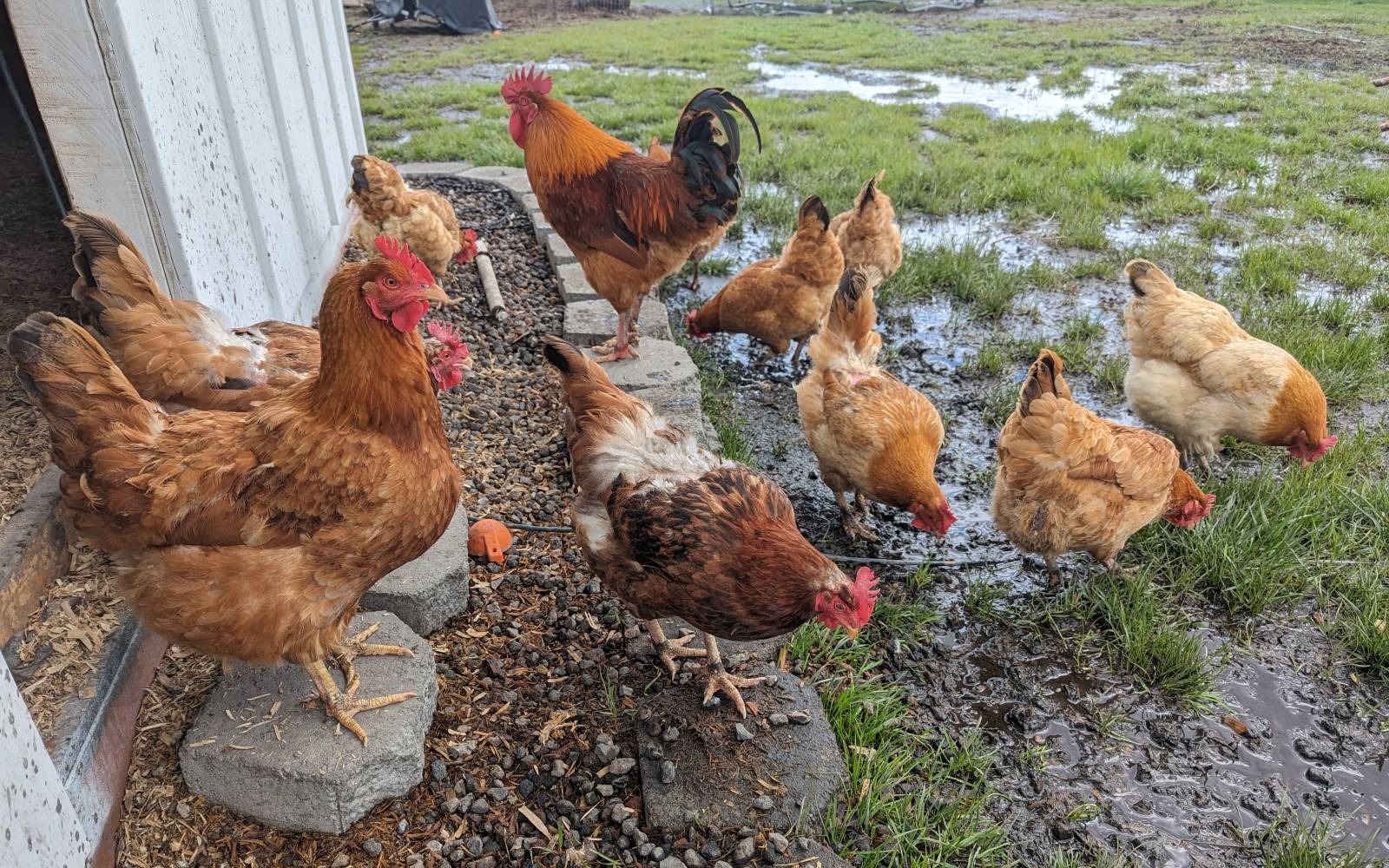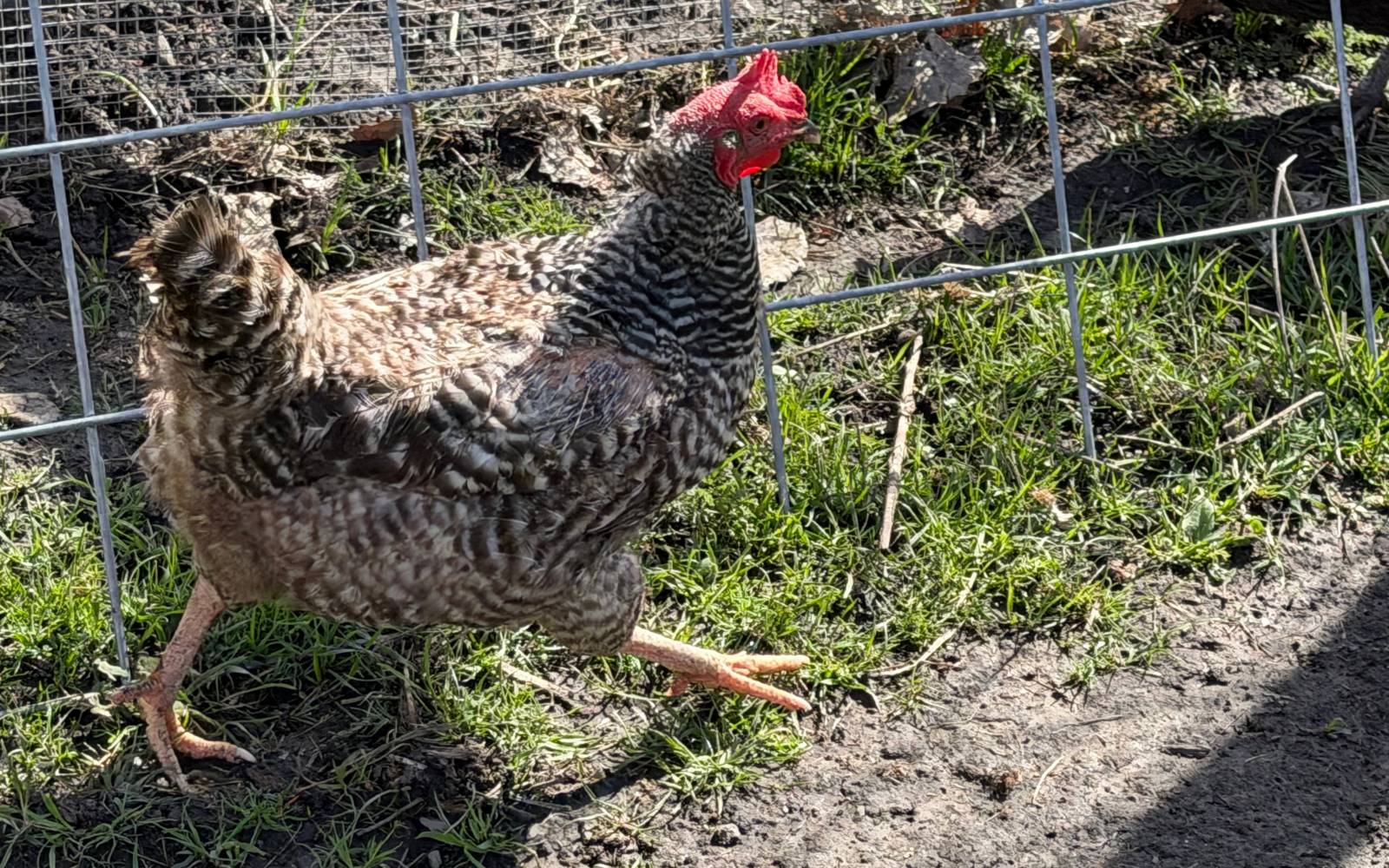
Molt always makes at least one bird look mildly offended by the whole world
That is part of why I have found it unnerves newer keepers so much. The flock can go from ordinary to ragged looking in a hurry. Feathers show up everywhere, birds seem quieter, and the hens that had been filling the basket begin acting as if laying eggs is now beneath them entirely.
It is ugly. That part is true. But ugly is not the same thing as dangerous, and learning that distinction calmed me down a lot.
The things I actually watch
- Body condition
- Appetite
- How the flock is handling weather while feather cover is poor
- Whether birds are still moving and roosting normally
- Whether one bird looks merely molty or truly unwell
Molt explains a lot, but it should not be used as a lazy explanation for everything. If a bird is thin, withdrawn, dull in the eye, or acting wrong in a deeper way, I still pay attention to that separately.
What helps most in my yard
Good feed, decent protein, clean water, and not too much extra stress. I am not trying to perform some elaborate molt ritual. I just want the flock well supported while it redirects energy away from the basket and toward feathers.
I am also gentler about handling because pinfeathers can make birds more sensitive than usual, and there is no prize for making a molting hen hate me on top of everything else.
The sign that things are going fine
The best sign is steadiness. The birds look rough for a while, but they keep eating, keep moving, and gradually start filling back in. That is what I want to see. Not beauty yet. Just competence.
Eventually the flock begins to look respectable again, and every year I am reminded that molt is less a crisis than an ugly season of the flock calendar.