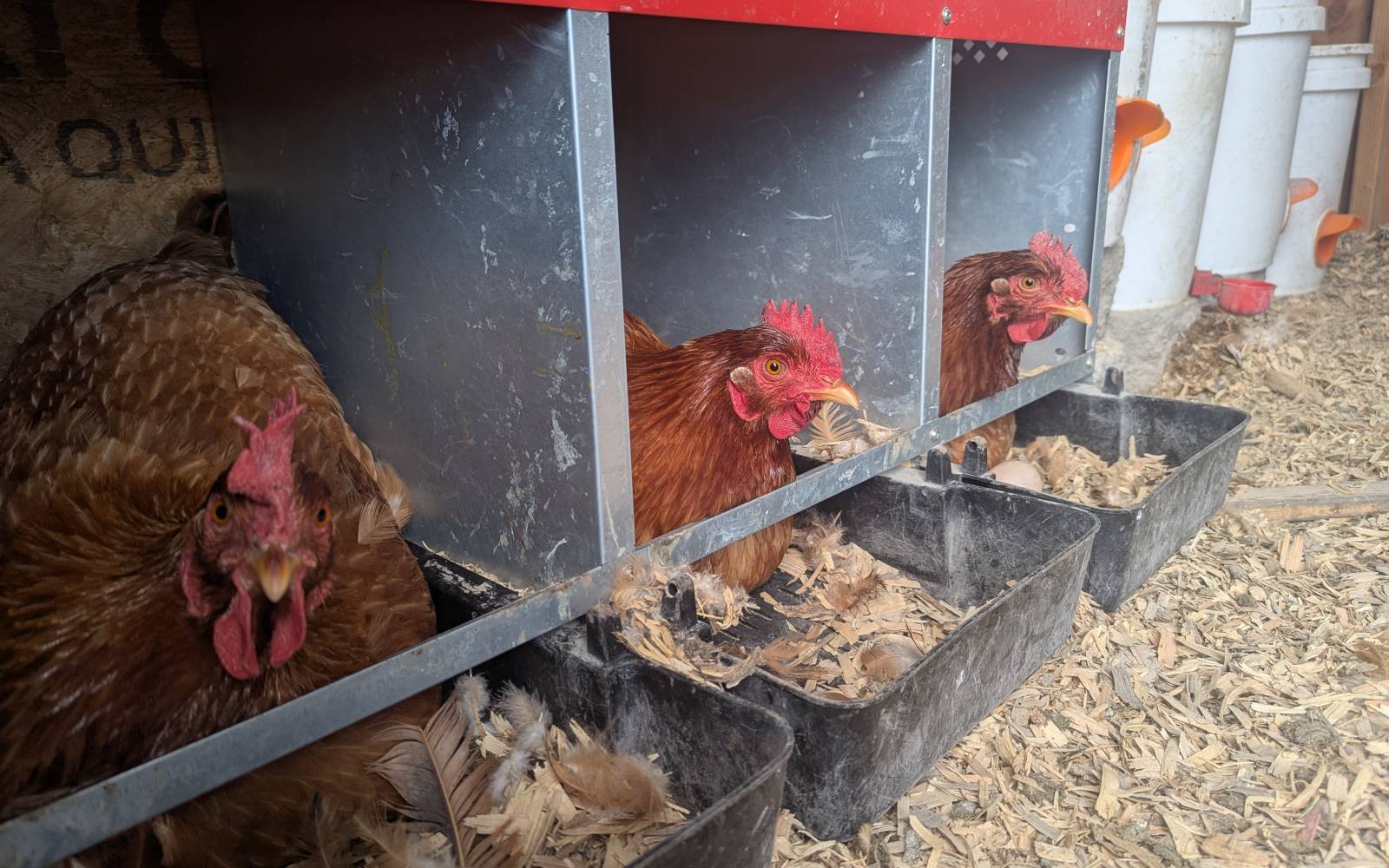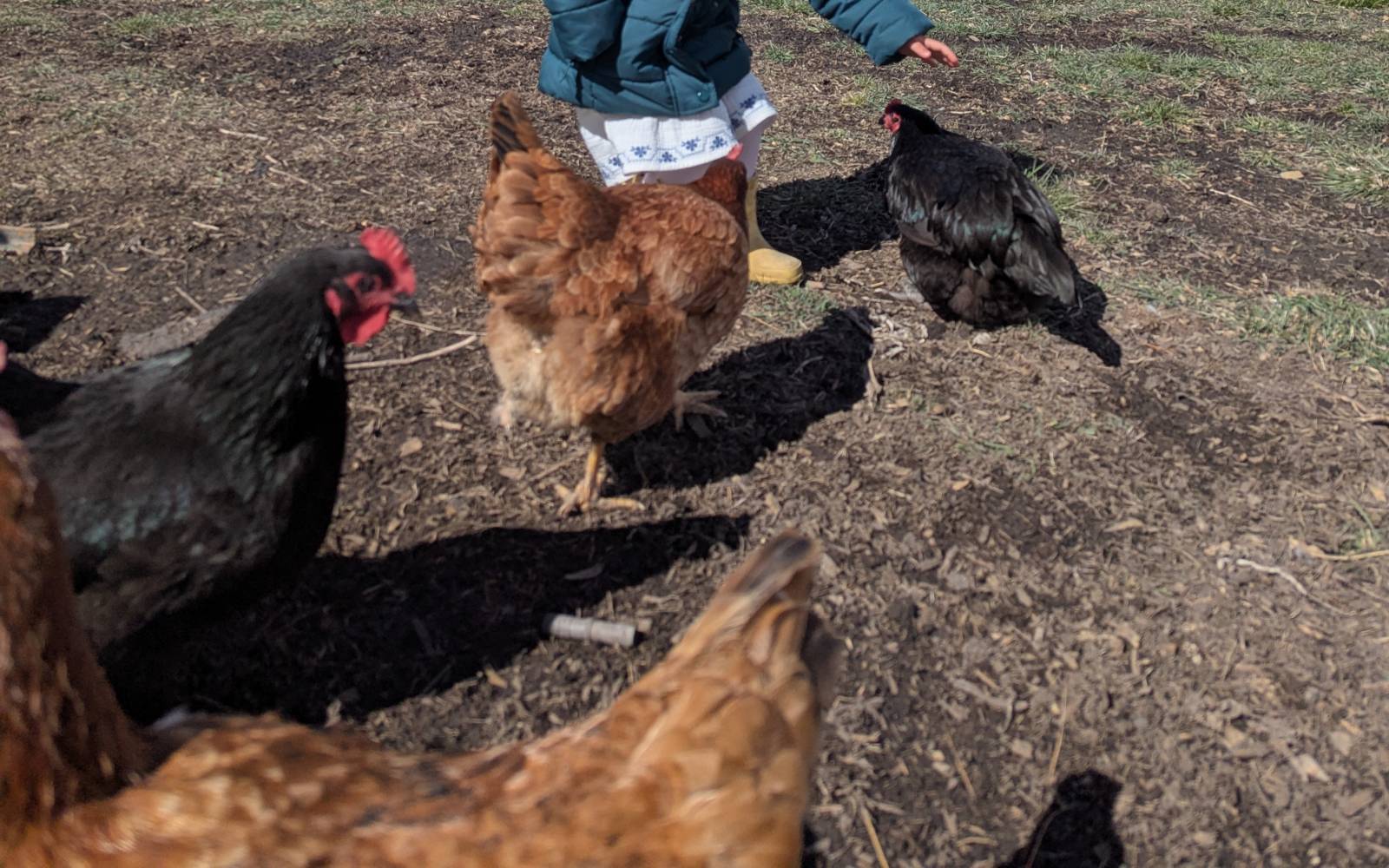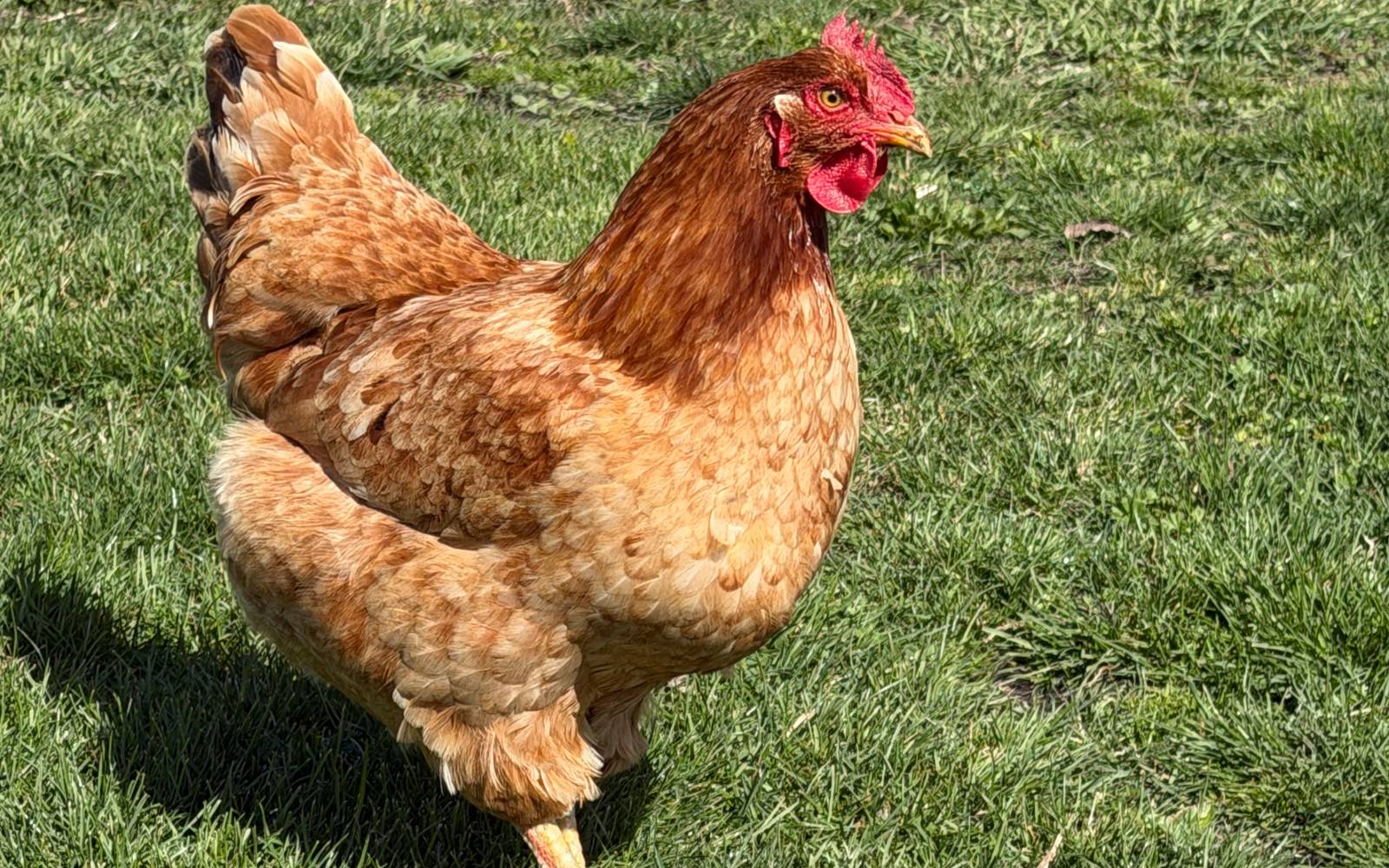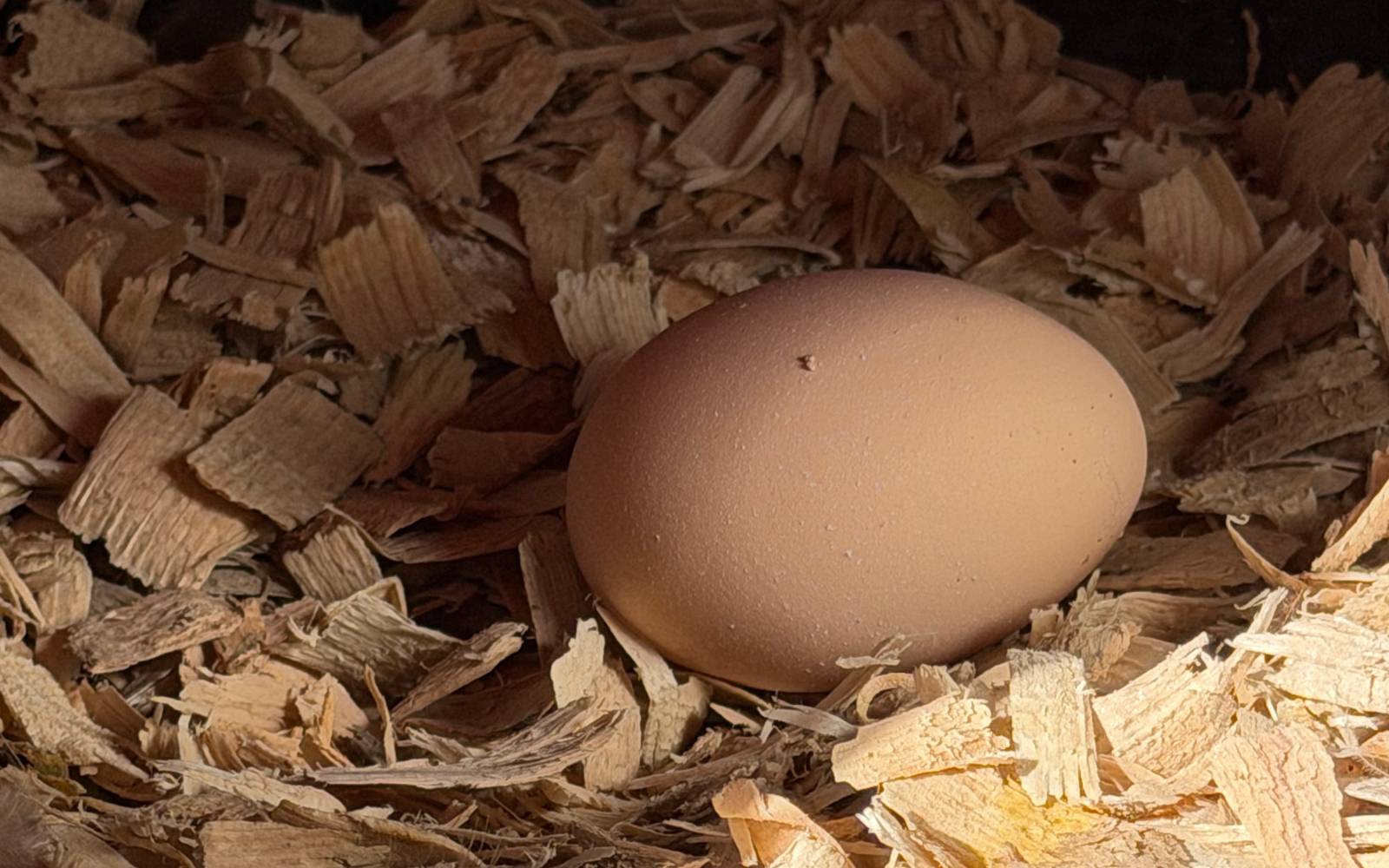
The egg basket is usually reporting on something bigger than itself
When production drops, many keepers focus so hard on the missing eggs that they stop looking at the flock. That is backwards. Hens do not slow down in a vacuum. They respond to age, daylight, molt, stress, nutrition, flock pressure, water access, and hidden nests more often than they respond to some dramatic mystery.
The basket is often just the first clue that the system around the birds has changed.
Age is the plainest answer and often the correct one
Young hens usually lay hardest during their first couple of years. After that, even healthy birds commonly taper. Some birds stay respectable layers longer than others, but age always belongs in the conversation. If most of your flock is aging together, then the drop in eggs may be less a problem than a calendar.
That is one reason some keepers stagger age groups by adding younger birds over time. Others accept that the flock will rise and fall with age. Either approach is more realistic than assuming first-year production is the standard forever.
Molt can make it feel like the flock quit overnight
A hard molt redirects resources into feather replacement. That often means fewer eggs, sometimes far fewer, and hens that look rough enough to unsettle new keepers. Feathers turn up everywhere. The birds can appear quieter and less polished. The basket starts looking like somebody forgot half the flock exists.
It is inconvenient, but it is also normal. What matters is whether the birds otherwise look like ordinary molting hens or like birds whose decline goes deeper than feathers.
Light, stress, and changes in routine matter more than people like to admit
Hens are sensitive to routine. Shorter days, heat, poor water access, a predator scare, a feed switch, a flock reshuffle, crowding, or rough treatment can all influence laying. Some changes produce only a mild dip. Others hit the basket hard and fast.
- A hot spell can reduce laying even if birds seem otherwise healthy.
- A few days of poor water access can show up quickly.
- Introducing new birds can disrupt stable production.
- Predator pressure may stress hens enough to pause laying for a while.
This is one reason calm management matters so much. The flock is always reacting to conditions, even when the keeper wishes it were more mechanical than that.
Nutrition problems often show up in shells before they show up in silence
If hens are eating too many treats, too much scratch, or a generally sloppy diet instead of appropriate layer feed, laying often changes. Shells may thin. Egg size may become erratic. Total volume may drop. That does not mean every production dip is caused by food, but feed should always be checked honestly before the keeper invents a more interesting explanation.
The practical question is simple: are the birds actually getting the feed support needed for the job being asked of them?
Sometimes the eggs are there. They are just not where you think
A free-ranging flock or a mildly dissatisfied hen can make a keeper feel foolish very quickly. Hens sometimes decide the hay corner, the weeds behind a shed, or a sheltered spot under equipment is a more appealing nest than the one built for them. If several birds make the same choice, it can look like a real laying slump.
When the flock seems healthy and the drop makes no sense, go hunting before you declare a crisis.
Know when the problem is not really the eggs anymore
A laying slowdown becomes more concerning when it comes with poor appetite, droopy posture, odd droppings, pale combs, weight loss, breathing trouble, or a bird clearly separating herself from the group. At that point, the eggs are just one symptom in a larger picture.
That is when it makes more sense to inspect the bird, her condition, her droppings, her crop, and her general behavior than to keep staring into an empty nest box hoping for insight.