The complete feed still carries the real job
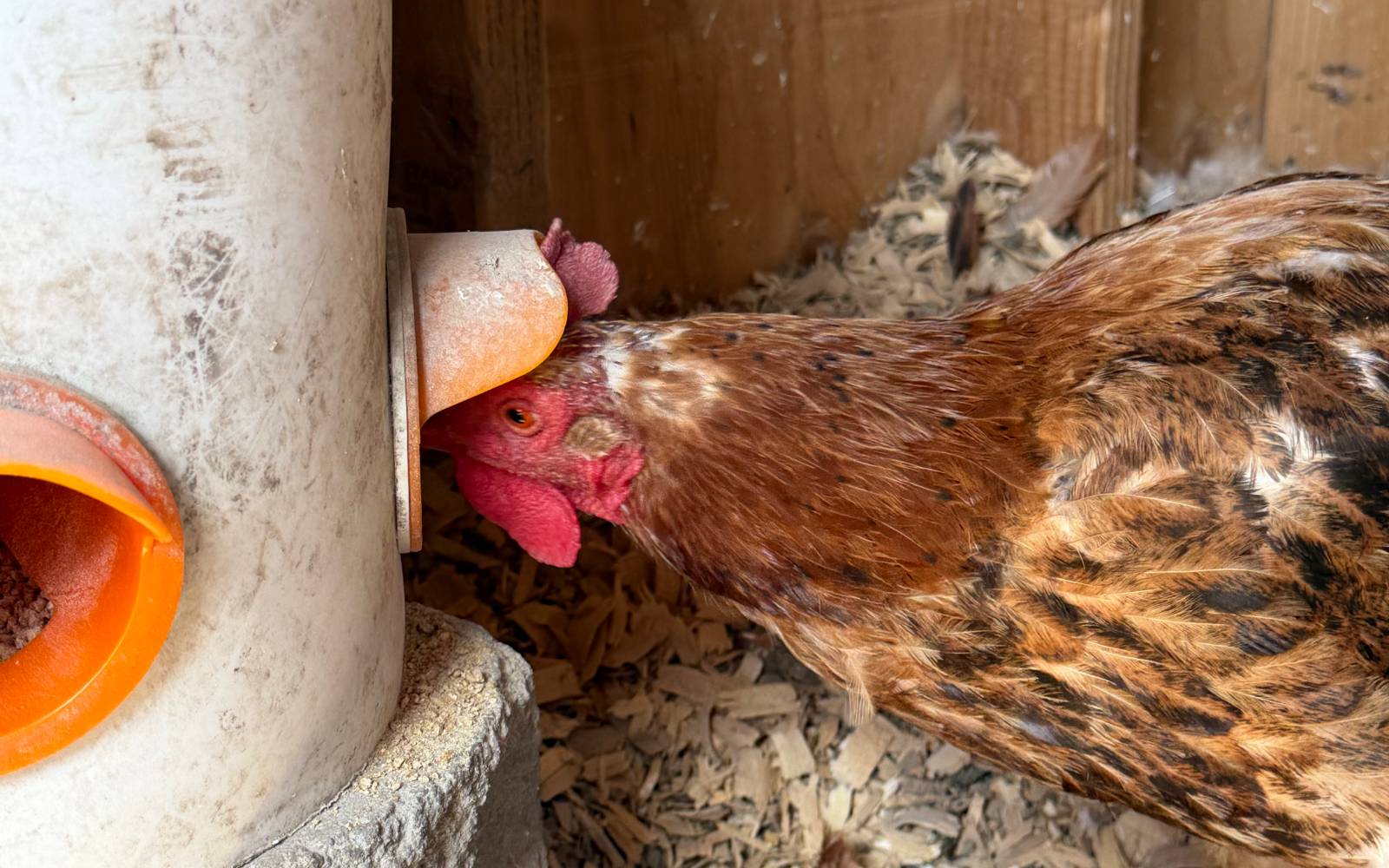
There is a lot of romance around scraps, free ranging, and the idea that chickens can just figure it out in the yard if the keeper is intuitive enough. Real flocks still do best when most of their nutrition comes from a complete feed appropriate for their stage of life. Chicks generally need a starter ration with more protein. Growers need something different. Laying hens usually do well on a layer ration in the mid-teen protein range, plus calcium support if needed.
That does not make the flock less natural. It just means the keeper is not pretending enthusiasm at treat time equals balanced nutrition.
Useful scraps are supplements, not strategy
Chickens can make good use of many kitchen scraps, and I have found that is one of the honest pleasures of keeping them. Leafy greens, squash, pumpkin, cucumber pieces, melon rinds, berries, apple slices, a little plain rice, or a small portion of cooked egg can all be perfectly reasonable in context.
The trouble starts when the flock is getting entertainment food first and real feed second. Birds are not nutritional philosophers. They will rush what is fun, rich, or novel and then leave you to imagine that excitement was proof of balance.
- Good choices: melon rinds, pumpkin, plain vegetables, leafy greens, small fruit portions.
- Use modestly: cooked grains, cooked eggs, richer leftovers that are plain and still fresh.
- Keep separate in your mind: feed for nutrition, scraps for variety.
The foods I would simply skip
Moldy food stays out. Spoiled leftovers stay out. Greasy or heavily salted foods stay out. Very spicy or strongly seasoned scraps are not worth the mess or the uncertainty. Dry uncooked beans stay out. Chocolate, coffee grounds, and alcohol stay out.
It tends to be easier to keep a flock well than to keep debating edge cases every time you clean the refrigerator. If something feels questionable, I would rather the page tell people to skip it than talk them into getting clever with their birds.
Water is not secondary to feeding
Water problems show up fast in a flock. Dirty water, algae, spilled water, frozen water, or water placed where it gets fouled from above all affect birds sooner than many beginners expect. Egg production, general energy, and even flock mood can all drop if water access gets sloppy.
That is one reason I have found a clean, workable water setup deserves as much planning as feed. The flock can miss a treat without consequence. It does not do the same with water.
Grit, calcium, and other plain basics
Birds eating a mixed diet often benefit from access to grit so the gizzard can do its work properly. Laying hens usually do best when they can take additional calcium as needed, often in the form of free-choice oyster shell. Those are not glamorous details, but they are part of sound feeding.
When shell quality drops or the flock is getting more extras than usual, these basics matter even more. A thin-shelled egg is often more helpful as a management clue than people realize.
What a dependable routine looks like
The best feeding systems are usually a little boring. Birds have access to appropriate feed. Water stays clean. Scraps come after the flock has had a chance at the real ration. The keeper knows what normal feed consumption looks like and notices when it changes.
That steadiness makes the flock easier to read. A bird that quits eating stands out faster. A shell problem is easier to interpret. A molting flock is easier to support. The more chaotic the feeding system, the harder it is to know what anything means.
Do not confuse being generous with feeding well
That is one of the most useful corrections many keepers make. Tossing a lot of food to birds can feel generous. Feeding them appropriately and consistently is something else. The flock benefits from the second one much more than from the first.
A well-fed flock is not always the most indulged-looking flock. It is usually the one with good condition, decent shells, respectable feather quality, and a keeper who knows where the nutrition is really coming from.