The first old hen that changed my thinking
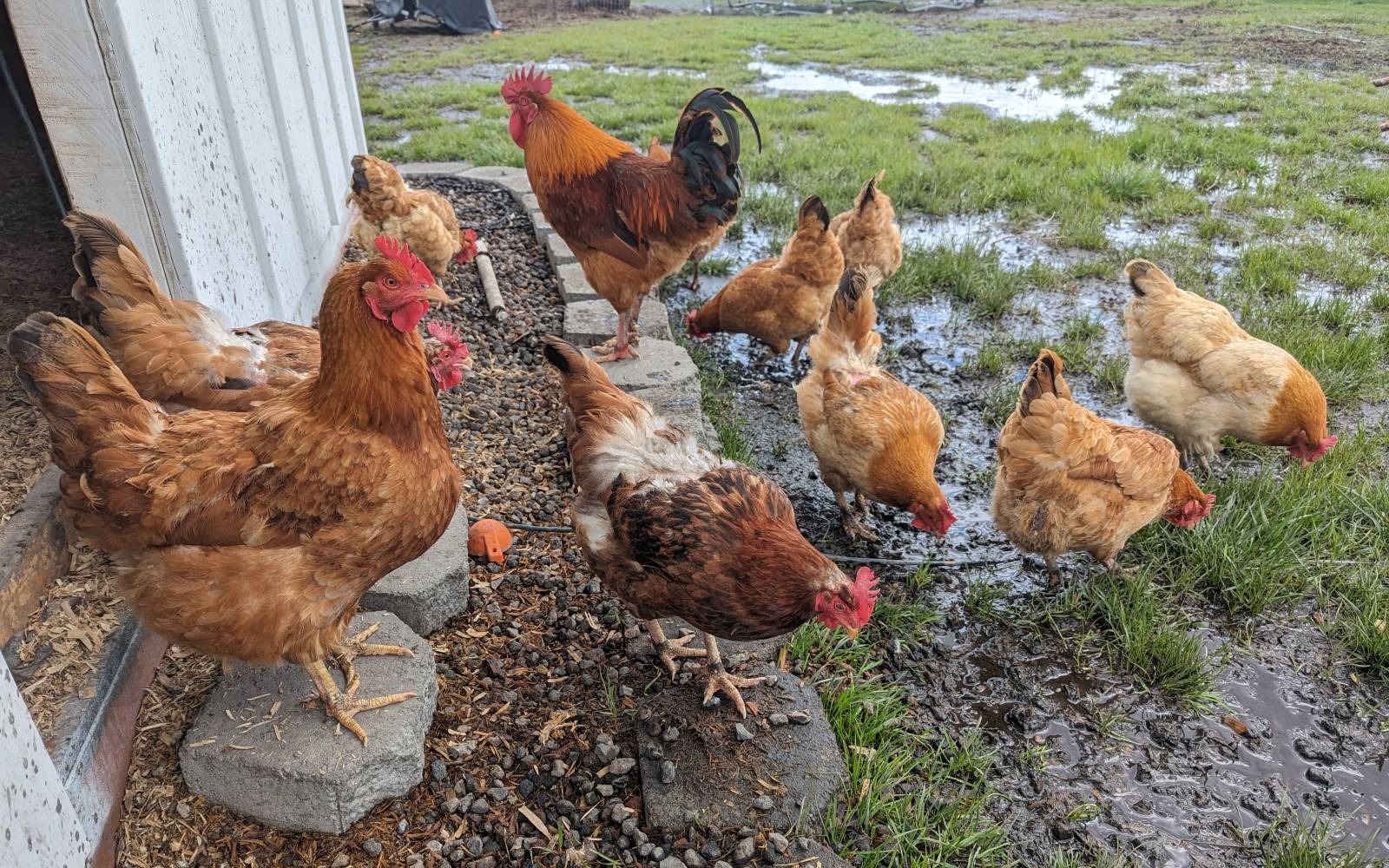
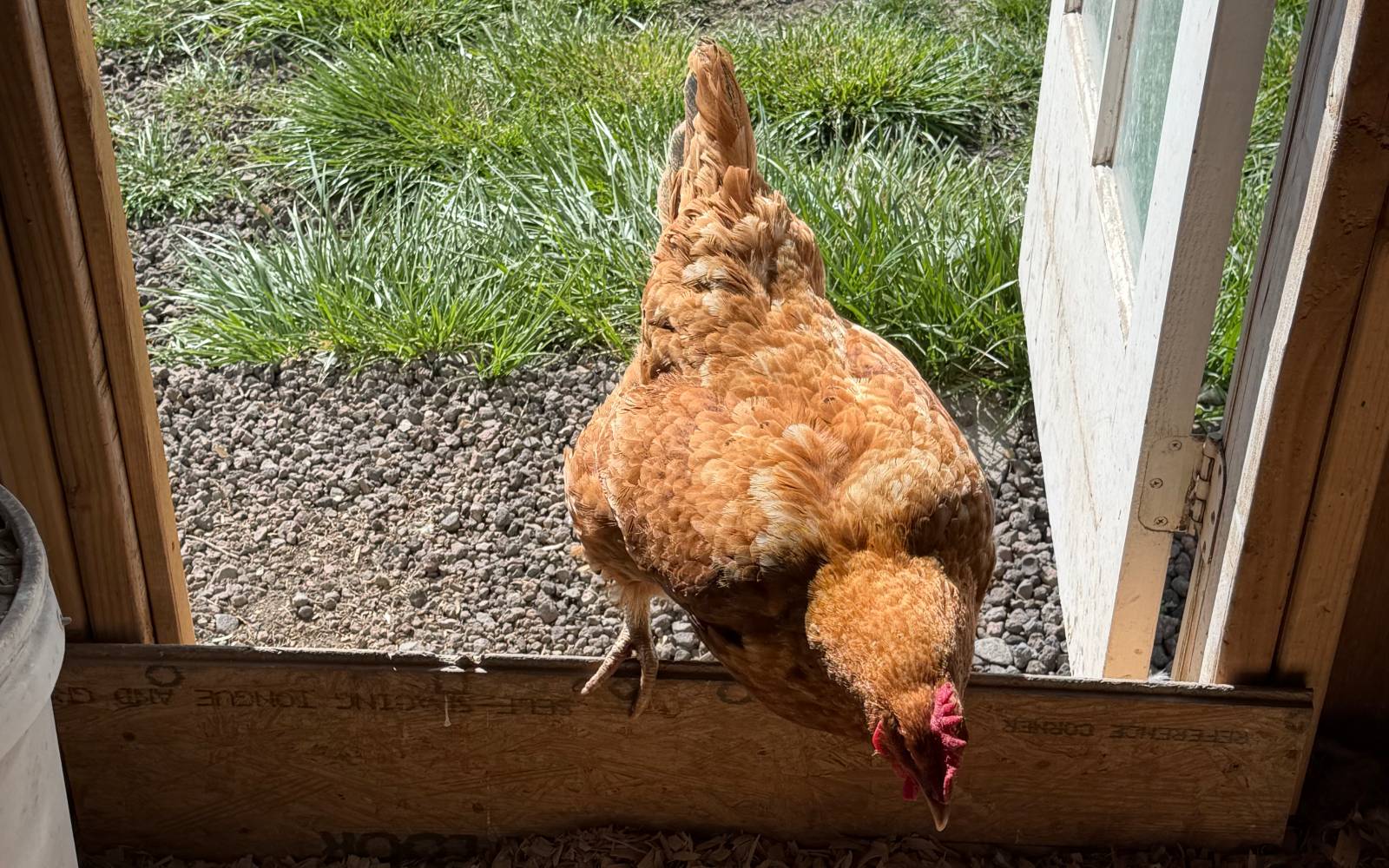
The first hen that really made me think about this was a faded brown bird who had long since stopped impressing anybody by numbers. She was never glamorous. She had a narrow face, a practical look about her, and the habit of going exactly where she meant to go without wasting motion. By the time she got old, she was laying only here and there, but she still walked out in the morning like she owned an equal share of the place.
I watched younger hens follow her to the dust bath spots that stayed dry, copy her timing at the feeder, and roost near her because she already knew where the calm places were. That was the first time I felt clearly that a hen can remain useful after peak production in ways that do not fit neatly on a tally sheet.
An old hen still contributes to flock order
People who do not spend much time around a stable flock sometimes miss how much social order matters. A mature hen that has seen a couple of seasons, a molt, new pullets, a rooster swap, and the ordinary churn of flock life often carries herself differently than a young bird. She does not waste energy on every small dispute. She knows when to move and when to stand her ground.
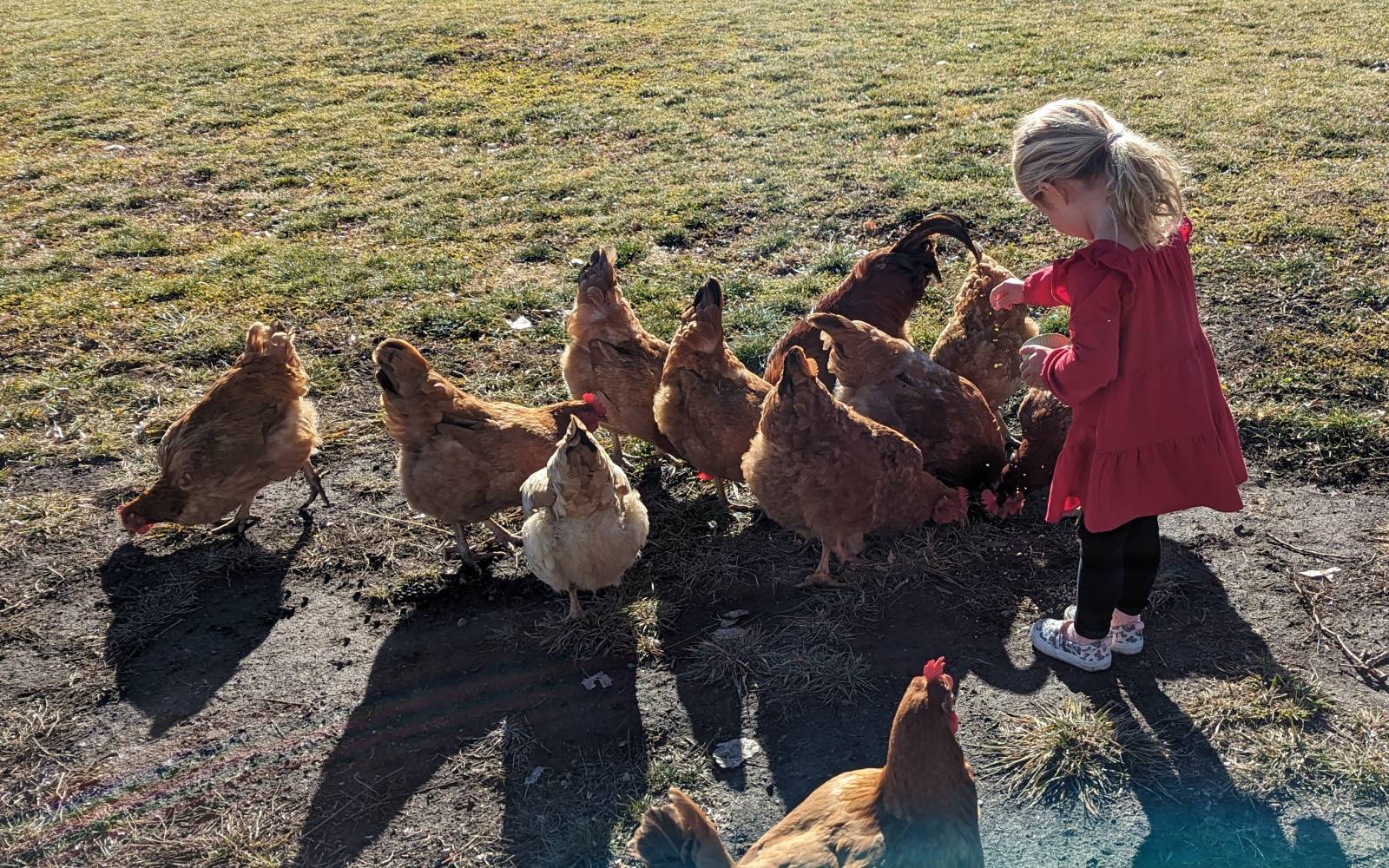
I have had old hens that were basically the flock’s quiet referees. Not by pecking everything into submission, but by setting a tone. They walked first toward shade on hot afternoons. They were the first on the correct roost. They used the nest boxes properly, and younger hens learned partly by being around them.
- Older hens often steady younger birds without obvious drama.
- They can make a mixed-age flock feel less frantic.
- They usually reveal routine changes quickly because their own patterns are so consistent.
What I still expect from a retired layer
I do not keep an old hen just to prove some sentimental point. I still expect her to live comfortably, move well enough to function as a chicken, eat with interest, and remain part of the flock rather than a bird who is merely lingering. There is a difference between an elderly hen with a decent life and a suffering bird that the keeper is refusing to judge honestly.
If I have an older hen that still forages, still makes for the gate when she hears a bucket, still scratches with purpose, and still has enough spirit to put a younger bird in line when needed, I do not feel in any hurry to explain away her place in the yard just because the basket is lighter.
Feed bills are real, but so is memory
I understand the practical argument. Feed costs money. Housing costs money. Every bird in the flock takes up room. But I also think there is an artificial way some people talk when they reduce a flock to a monthly return calculation and then pretend that is the only serious way to keep birds. It is not the only serious way. It is one way.
Memory is part of livestock keeping whether people admit it or not. The hen that survived a rough molt, trained three rounds of pullets how to roost properly, and never once laid an egg in some ridiculous hidden corner has earned something in my mind that a new pullet has not earned yet. I do not apologize for that.
A working flock is not a machine
A flock has productivity, yes, but it also has culture, rhythm, and accumulated sense. Older hens are often part of that. They are the reason the younger birds settle faster. They are the reason the whole place does not feel as if it must relearn basic flock behavior every year.
That is part of why I still keep hens after they stop laying well. Not every old hen forever, not under every circumstance, and not at the cost of honest welfare decisions. But if an old hen is still living a good chicken life, I am not inclined to act as though her best value disappeared the minute she slowed down.